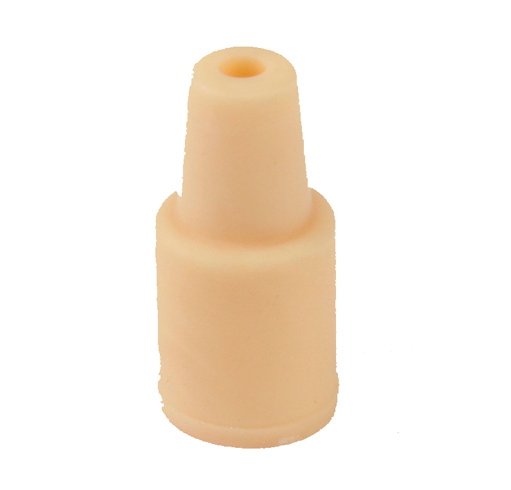
Pheromone Monitoring Lure for Cydia nigricana, Pea Moth
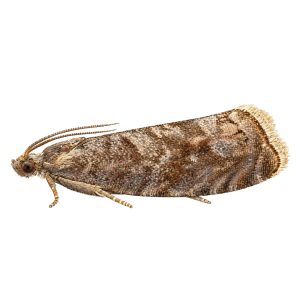
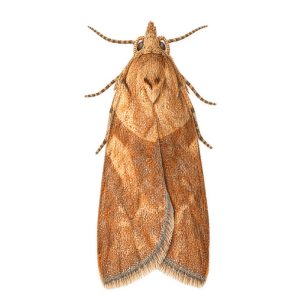
A frequent pest of cultivated and garden peas the larvae of this moth feed internally in pea pods, eating the developing peas. The adult moth is 6mm long with a 12mm wingspan. It is an olive brown colour with black and white bars on the front edge of its forewings and long antennae. Between 5 and 11 days after adult moths emerge they lay flat transparent/white eggs (size of a pinhead) on the leaves, pods, flowers or stems of pea plants. After 1 to 3 weeks (depending on temperature) small yellow/white caterpillars with dark heads emerge and bore into young pea pods. Larval development lasts from 18 to 30 days after which the fully grown caterpillars (12mm) bore back out through pod walls and drop to the ground to spin cocoons containing particles of soil.
They hibernate over the winter in these cocoons. There is one generation per year. Overwintering pea moths pupate inside cocoons. Each caterpillar can damage up to 6 seeds although usually damage only 1 or 2. They chew irregularly shaped holes in the peas contaminating them with frass (faeces). Attacked pods may yellow and ripen prematurely but damage is generally not detected until the pea pods are shelled revealing the frass, silk and sometimes the larva also. Pea moths attack field and garden peas along with sweet peas and vetch.
Available singly, price discounts for bulk orders. Prices on application.
Description
Directions for Use
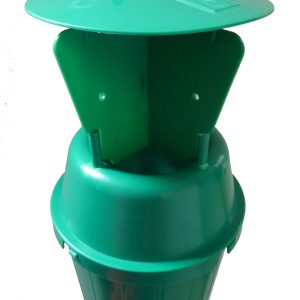
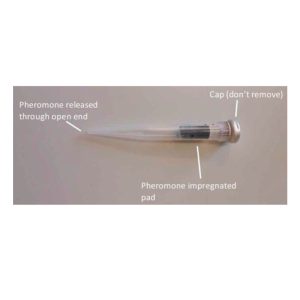
The traps should be placed in the crop before the first moths normally appear and maintained until the end of the season; this is normally mid-May to July. The exact time of insect emergence will vary with location and seasonal variation. In a warm and early Spring the start could be in early to Mid-May. In a garden, the trap should be sited close to the plants on the up wind side, placed so the trap height is at two-thirds the crop height. The pheromone dispensers will last 6 weeks. The sticky inserts should normally be changed when the dispensers are changed. In situations where high insect catches or dusty conditions have led to the deterioration of the glue surface, use the third (spare) sticky insert. To avoid affecting the efficiency of the trap, it is strongly recommended that traps be used for only the one species. Never use the dispensers for other species in this trap.
Storage Instructions
This product is sealed in impermeable packaging for storage and shipping. Keep product away from direct sunlight, heat, sparks and open flame. The dispensers and systems should be kept under good storage conditions at below 15°C when the dispensers will retain their activity and attraction for a minimum of 18 months. Bulk storage of dispensers for periods of up to 24 months is possible by refrigeration at temperatures of 4°C or below. Keep dispensers inside their sealed packaging until use. When replaced, the old dispenser should be completely removed from the area of use and destroyed to prevent interference with the fresh replacement/ recharge dispenser.
| Latin Names | Cydia nigricana |
|---|---|
| Common Name | Pea Moth |
| Pheromone Active | (E,E)-8,10-Dodecadienyl acetate (≥97%) |
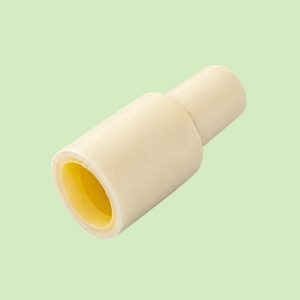
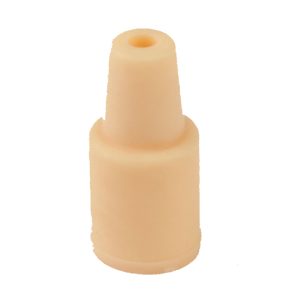
| Dispenser | Septa dosed with sex pheromone |
| Material | Natural Rubber |
| Active Life | 6–8 weeks (temperature dependent) |
| Packaging | Individually sachet packed |
| Sachet Material | Foil Lined Laminate |
| Shelf Life | Up to 2 years when stored in cool, dry conditions |
| Recommended Trap | Delta Trap |