Pheromone Monitoring Lure for Ceratitis cosyra, Mango Fruit Fly
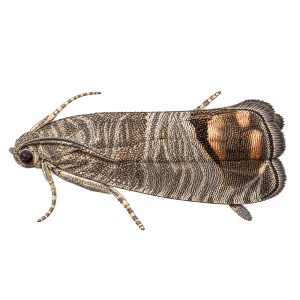
The mango fruit fly, Ceratitis cosyra, is a serious pest in smallholder and commercial mango across sub-Saharan Africa and is one of the most commonly intercepted fruit flies in Europe. Females first oviposit at about age five days, and oviposition continues up to age two weeks. Fruits can be heavily infested, with an average of 50 larvae per fruit. During larval feeding and oviposition, the damage to fruit can include discolouration, secondary moulding, blackening of the fruit around lesions, exit hole and notable odours. Post-harvest quarantine treatments include hot water dips and prolonged exposure to temperatures below 7.5°C.
Available singly, price discounts for bulk orders. Prices on application.
Description
Directions for use
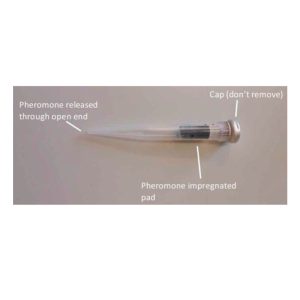
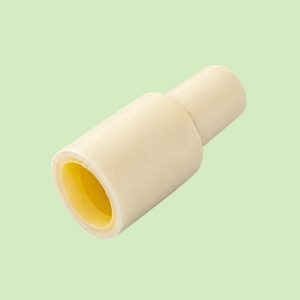
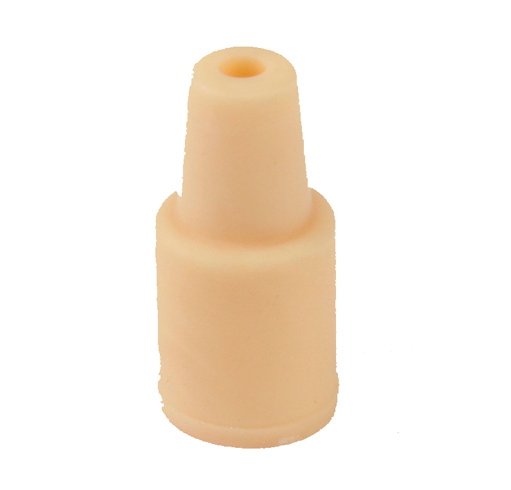
Monitoring dispensers consist of a mixture of terpinyl acetate and antioxidants within a wax formulation. Terpinyl acetate is an attractant used for monitoring and control of the fruit fly Ceratitis cosyra. Ceratitis cosyra adults may be attracted to terpinyl acetate, but not to trimedlure or methyl eugenol. Adult populations can be reduced with insecticidal protein-bait sprays in the same manner as other fruit flies.
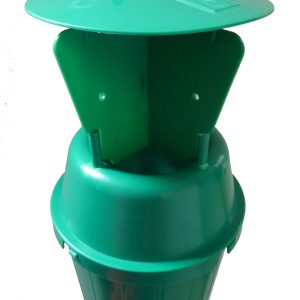
The McPhail or Dome Trap is recommended for this species. Monitoring can be made all year round though this will depend more on the season for the fruit being protected. Open the hermetically sealed sachet containing the attractant lure and place the lure in the hanging basket which then clips into the holder on the underside of lid of trap. A toxicant strip or catching liquid should be placed in the bottom of the trap as local regulations permit. The traps should be placed at head height on the outside of the tree canopy with at least 30m between each trap. Use traps at a density of 5 per hectare in small or non-uniform orchards and at a density of 2 per hectare in large uniform plantings. The traps should be placed in the orchard immediately before fruit formation.
The trap should be cleaned regularly and the attractant lures changed at 2-3 months intervals. Catches should be recorded weekly or more frequently in groves with high populations. Interpretation of catch records for timing control measures will vary from country to country. Consult your local agricultural advisory service for precise recommendations.
Storage Instructions
This product is sealed in impermeable packaging for storage and shipping. Keep product away from direct sunlight, heat, sparks and open flame. The dispensers and systems should be kept under good storage conditions below 15°C when the dispensers will retain their activity and attraction for a minimum of 18 months. Bulk storage of dispensers for periods of up to 24 months is possible by refrigeration at temperatures of 4°C or below. Keep dispensers inside their sealed packaging until use.
| Latin Name | Ceratitis cosyra (Walker) |
|---|---|
| Common Name | Mango Fruit Fly |
| Pheromone Active | (±)-2-(4-Methyl-3-cyclohexenyl)isopropyl acetate (Terpinyl acetate) |
| Product Designation | Attractant containing active chemical and antioxidant |
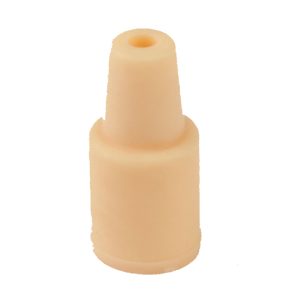
| Dispenser | Plug coated in special waxes |
| Material | Cellulose acetate |
| Active Life | 2–3 months (temperature dependent) |
| Packaging | Individually sachet packed |
| Sachet Material | Foil Lined Laminate |
| Shelf Life | Up to 2 years when stored in cool, dry conditions |