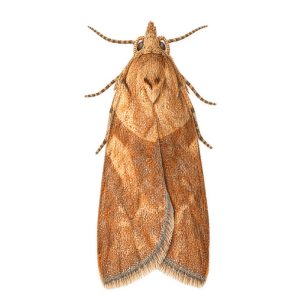
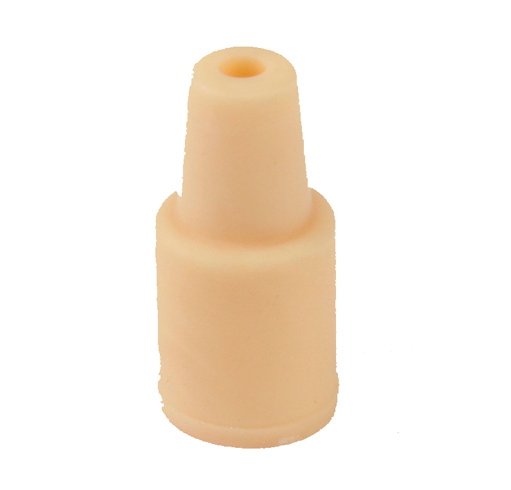
Cuelure: An attractant for Melon Fly Bactrocera (Dacus) cucurbitae and Queensland Fruit Fly, Bactrocera (Dacus) tryoni and other crop damaging fruit fly pests.
Cuelure is chemically related to the sex pheromone produced by female Melon and Queensland Fruit Flies to attract males for mating. Cuelure can be used to attract and trap male flies for monitoring purposes and to prevent mating and production of the next fly generation. Cuelure volatilizes slowly. Tests show that Cuelure attracts male flies more effectively than the unmodified sex pheromone and is attractive to newly emerged and sexually immature male flies.
Available singly, price discounts for bulk orders. Prices on application.
Description
Typical Application
The following is provided as a guideline only. Always follow locally approved methods of use.
Monitoring: Use 2mg of Cuelure absorbed onto cotton wicks and placed into delta traps with sticky inserts. Use 2 traps per hectare. Replace every 4 – 6 weeks.
Mass Trapping: Use as for monitoring but apply traps at 25 – 50 per hectare.
Control and population suppression: Small amounts of Cuelure and can be blended with insecticide to lure all the male flies in a population to bait stations. The lure/insecticide mixture is applied to absorbent wicks in bait stations attached to structures such as poles and trees at 1.5m – 2m height. Continue to use beyond when the last fly has been trapped. Traps and dispensers used with Cuelure should not be mixed with other attractants or allowed to contact hands or the trap body otherwise the attraction to the different fly species can be affected. This could also lead to non-target fruit flies being caught and make identification difficult.
Mixtures of lure and insecticide can also be spot sprayed on the foliage of all shrubs and trees within a 200-meter radius of infested property. Only use with locally approved insecticides.
| Common Name | Cuelure |
|---|---|
| Description | There is no ISO common name for this substance; the name is derived from the insect that it is used to attract, Bactrocera cucurbitae (Coquillett). |
| Active Chemical Name | 4-(p-hydroxyphenyl)-2 butanone acetate |
| Other Name IUPAC | p-(3-oxobutyl)phenyl acetate |
| Molecular Formula | C12H14O |
| CAS No | 3572-06-3 |
| Concentration | 70% |
| Visual Appearance | Pale yellow mobile liquid |
| Odour | Pleasant fruity, raspberry-like characteristic odour |
| Specific Gravity at 20°C | 1.095 (typical) |
| Refractive Index at 20°C | 1.5069 (typical) |
| Flash Point | 145°C |
| Solubility in Water | Insoluble |
| Shelf Life | 2 years |
| Boiling Point | 117–125°C @ 0.2mm Hg |