Pheromone trapping for Phthorimaea operculella, Potato Tuber Moth
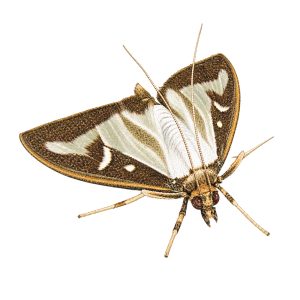
Potato Tuber Moth is an important pest of potatoes, but it may also attack tomatoes, eggplants and other Solanaceae. In the potato, the larvae tunnel into the tubers both in the field and in store. The tunnels are then susceptible to fungal and bacterial rot. In other species, the larvae mine leaves and tunnel into petioles and stems causing the stems to wilt. Insects will continue to develop so long as there is food plant available.
Available singly, price discounts for bulk orders. Prices on application.
Description
Directions for Use: Monitoring
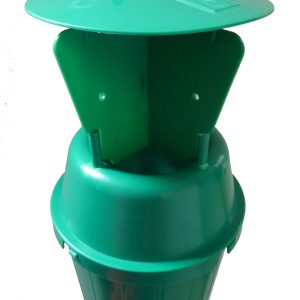
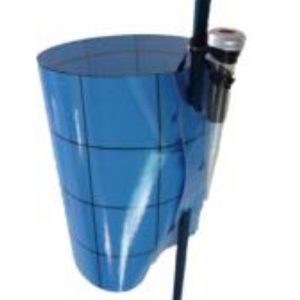
The Delta trap with sticky glue inserts is recommended for low populations, but for high populations, a funnel trap is a recommended. The traps should be placed in the field during the full growing season and through to harvest. For stored crops, the traps should be in place during the whole period of storage.
In the field: Place the traps on 1 metre high stakes within the crop, with at least 50 metres between each trap. Traps should be away from field boundaries. One trap should be sufficient to monitor up to 5 hectares, however a minimum of two traps should be used regardless of the field size.
In storage: For stored potatoes the traps should be placed at the same height as the potato stacks. Use one to two traps per store, depending on store size.
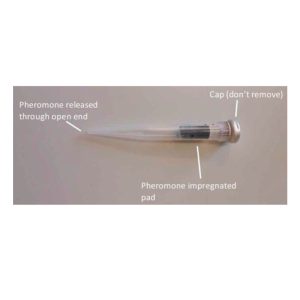
Catches should be recorded weekly when population numbers are low, but more frequently in field situations or in storage where there are high populations. Record the trap catch on a trap record sheet. Lures should be changed every 4-6 weeks. The sticky inserts should normally be changed when the lures are changed, however in situations where there are high insect catches or dusty conditions, the inserts should be changed more frequently. If funnel traps are used, these should be emptied at each reading. Do not allow dead insects to accumulate over a long period of time as the odour of decaying insects may reduce the effectiveness of the trap. To achieve and maintain maximum efficiency of the trapping system, it is strongly recommended that traps are used for one species only. Do not use lures for other species in this trap.
Directions for Use: Mass Trapping
Pheromone traps can be used for control in the field and in storage. Use a large number of pheromone traps (20-40 per hectare) to reduce the number of captures within the field. Fill the funnel trap with water and detergent and bait each trap with the pheromone lure. Change lure after 4-6 weeks.
Storage Instructions
This product is sealed in impermeable packaging for storage and shipping. Keep product away from direct sunlight, heat, sparks and open flame. The dispensers and systems should be kept under good storage conditions at below 15°C when the dispensers will retain their activity and attraction for a minimum of 18 months. Bulk storage of dispensers for periods of up to 24 months is possible by refrigeration at temperatures of 4°C or below. Keep dispensers inside their sealed packaging until use. When replaced, the old dispenser should be completely removed from the area of use and destroyed to prevent interference with the fresh replacement/ recharge dispenser.
| Latin Name | Phthorimaea operculella |
|---|---|
| Common Name | Potato Tuber Moth |
| Pheromone Active | (E,Z)-4,7-Tridecadienyl acetate (E,Z,Z)-4,7,10-Tridecatrienyl acetate |
| Dose | 1.0 mg dispenser (Ratio 3:2) |
| Product Designation | Pheromone containing active chemical and antioxidant |
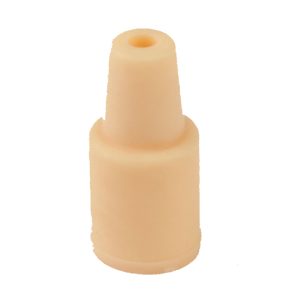
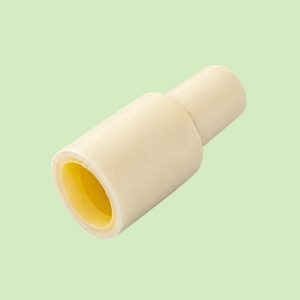
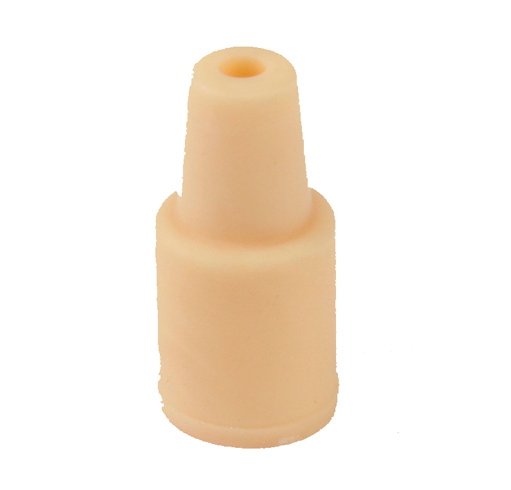
| Dispenser | Septa |
| Material | Natural Rubber (beige colour) |
| Active Life | 4–6 weeks (temperature dependent) |
| Packaging | Individually sachet packed |
| Sachet Material | Foil lined laminate |
| Shelf Life | Up to 2 years when stored in cool, dry conditions |
| Recommended Trap | Funnel/Water Trap (mass trapping) or Delta Trap (monitoring) |