Pheromone Monitoring Lure for Prays citri, the Citrus Flower Moth
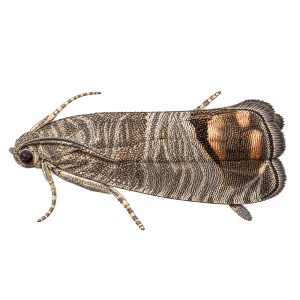
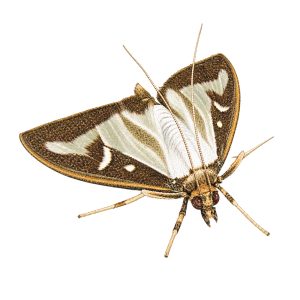
In the Mediterranean area this pest attacks many citrus crops, with a preference for lemon Citrus limonum, Citrus decumana and to a lesser extent, orange, Citrus aurantium. It is found in the Mediterranean, Australia and in various parts of Asia. There are usually 4 – 5 generations each season, with generations often overlapping so that peaks in activity are not always clear. Prays citri is a notorious insect pest. The flower buds attacked by larvae dry up and die. The attacked young fruits, devoured from the inside and soiled by frass, are aborted while more mature fruit is deformed and remains small.
Available singly, price discounts for bulk orders. Prices on application.
Description
Directions for Use
The Delta trap is recommended for this insect. The traps should be placed in the citrus groves before the first moths normally appear and maintained until the end of the season. This is normally from February or March. Monitoring should continue until flowering ceases in the autumn. The exact time of insect emergence will vary with location and seasonal variation. The traps should be placed at head height within the tree canopy and located centrally within the grove with at least 50m between each trap. One trap should be sufficient to monitor up to 3 hectares of a uniform grove. In the case of irregular groves 1 trap per hectare is recommended. Lures should be changed every 6 weeks or earlier. The sticky inserts should normally be changed when the lures are changed. In situations where high insect catches or dusty conditions have led to the deterioration of the glue surface the inserts should be changed. It is recommended that at each reading the trapped insects and any other debris be removed and the glue stirred with the plastic spatulas provided. Catches should be recorded weekly in low populations but more frequently in orchards with high populations. Record the trap catch on a trap record sheet. The traps may also catch Prays oleae if there are olive trees in the vicinity. To avoid affecting the efficiency of the trapping system it is strongly recommended that traps be used for only the one species. Never use the lures for other species in this trap.
Storage Instructions
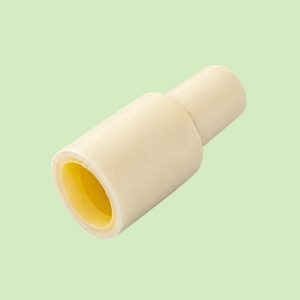
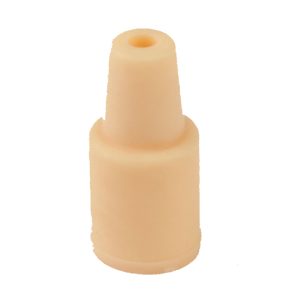
This product is sealed in impermeable packaging for storage and shipping. Keep product away from direct sunlight, heat, sparks and open flame. The dispensers and systems should be kept under good storage conditions at below 15°C when the dispensers will retain their activity and attraction for a minimum of 18 months. Bulk storage of dispensers for periods of up to 24 months is possible by refrigeration at temperatures of 4°C or below. Keep dispensers inside their sealed packaging until use. When replaced, the old dispenser should be completely removed from the area of use and destroyed to prevent interference with the fresh replacement/ recharge dispenser.
| Latin Name | Prays citri |
|---|---|
| Common Name | Citrus Flower Moth |
| Pheromone Active | (Z)-7-Tetradecenal |
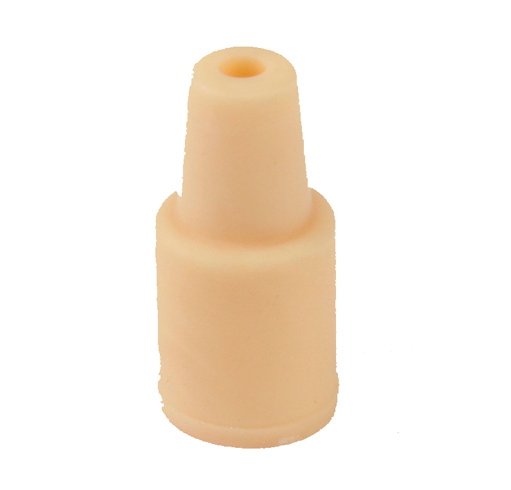
| Dispenser | Natural rubber septa |
| Active Life | 6–8 weeks (temperature dependent) |
| Packaging | Individually sachet packed |
| Sachet Material | Foil Lined Laminate |
| Shelf Life | Up to 2 years when stored in cool, dry conditions |