Pheromone Monitoring Lure for Lygus rugulipennis, European Tarnished Plant Bug
The European tarnished plant bug, Lygus rugulipennis, is a damaging late season pest of many fruit and glasshouse crops including strawberry, raspberry, cucumber and pepper, causing damage by puncturing plant tissues and sucking sap which leads to deformation of fruits and shoots. Adults are 5.0 – 6.0mm long with broad, dark brown or red/black bodies, usually with a white ‘V’ shaped mark behind the head. Adults are capable of flight, while the green nymphs are wingless. The bug feeds in the flowers causing fruit malformation. There are up to 3 generations per season, depending on location and climate. Lygus bugs are normally controlled by several insecticide sprays being applied each season. Work undertaken by researchers at East Malling Research, Kent, UK have helped develop effective sampling methods and treatment thresholds for this pest using pheromone traps as practical sampling methods suitable for growers.
Available singly, price discounts for bulk orders. Prices on application.
Description
Recommendations
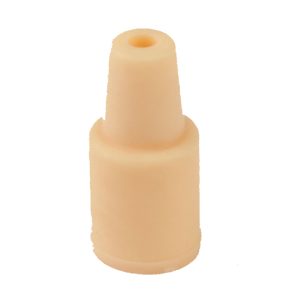
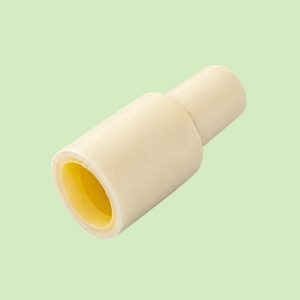
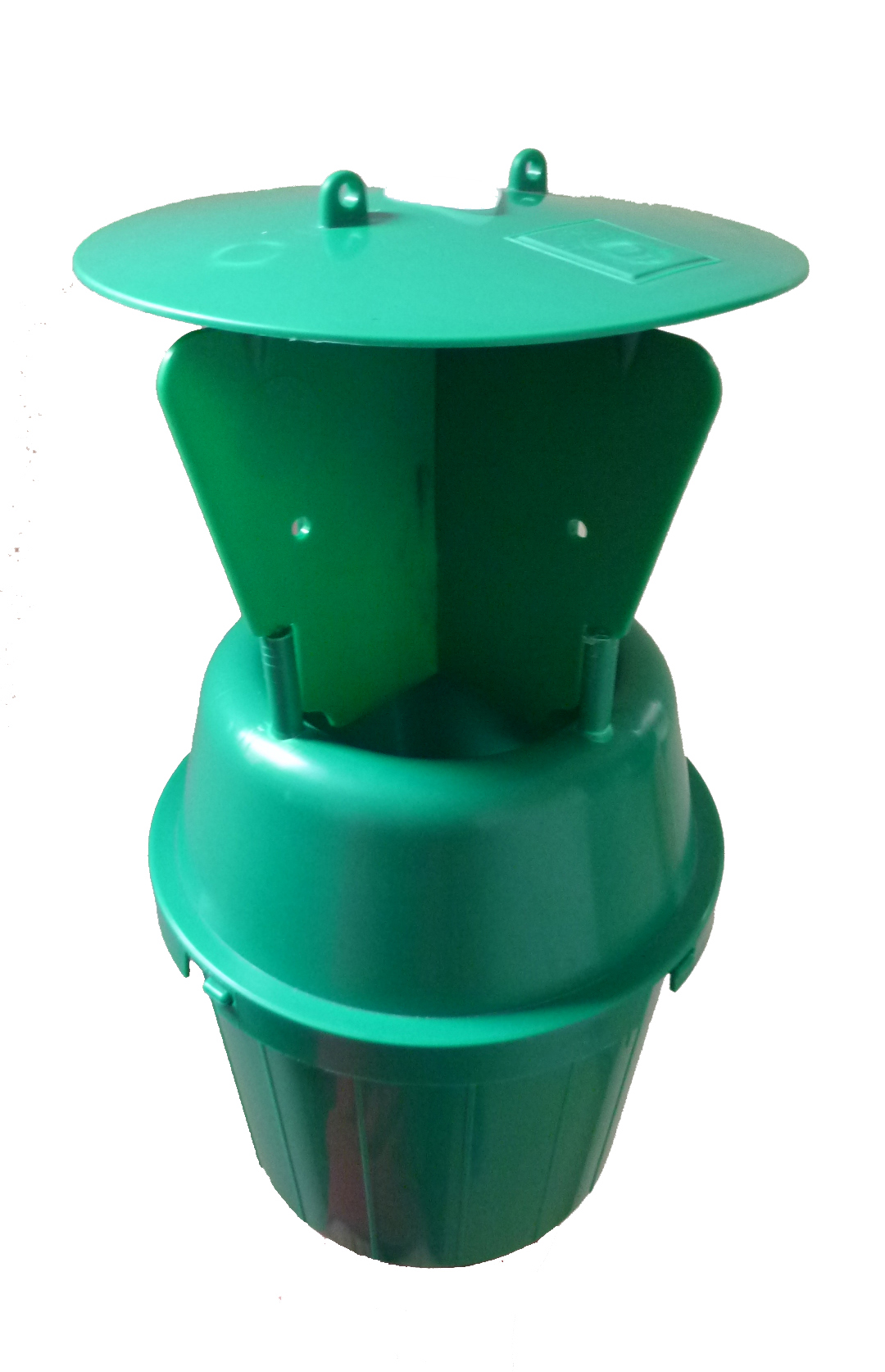
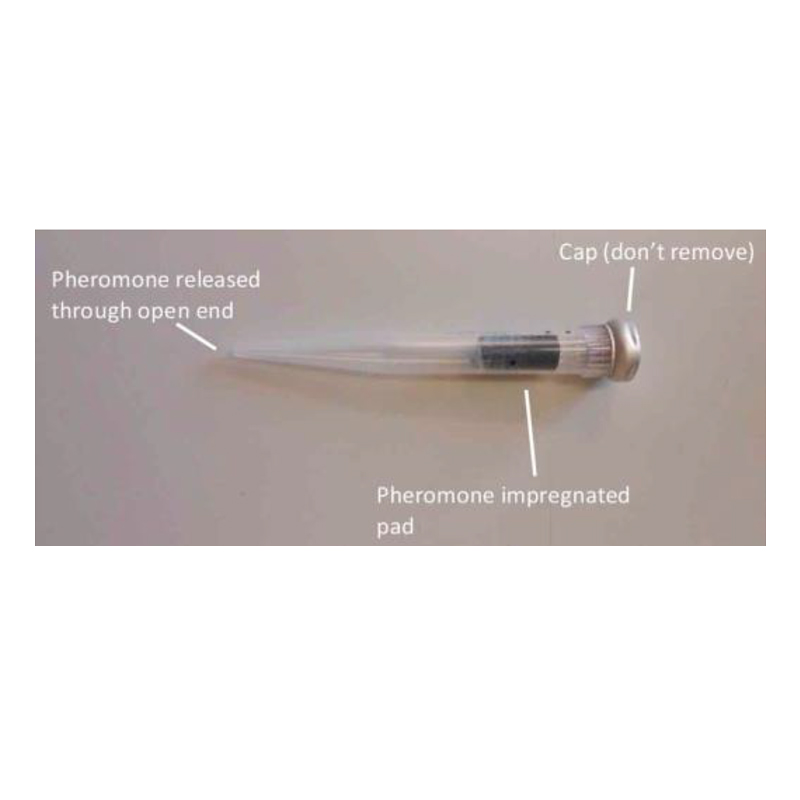
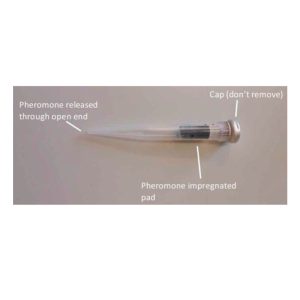
A green funnel trap with cross-vane attachments is recommended with 5cm depth of water and detergent added into the bucket. As ground can be uneven in crops such as strawberries, use a wire to secure the trap to the ground. The base of the trap should be at ground level. Do not open micro vial dispenser. Place lure, point down, through the hole in the basket at the top of the trap and replace cover. The lure will extend into the space between the cross vanes. The tip should be pointing downwards. Protect from sunlight.
Only adult male Capsids are attracted to the traps. Trap from May, when the first generation of adults normally appear through to the end of the season. Exact time of insect emergence will vary with location and season and in protected crops emergence may occur earlier. Place traps towards the edges of fields, particularly where weeds are present and known to be a source of Lygus bugs in previous years. For protected crops, place in a weed area outside the glasshouse. Two traps should be sufficient to monitor up to 2 hectares of a uniform plantation. Higher trap numbers are recommended in the case of irregular shaped fields, or in problem areas where damage has occurred in the past. Check traps and renew water and detergent weekly. Keep cross vanes clear of dirt and foliage and ensure the hole in the funnel is not blocked. For outdoor crops, apply a control product effective against Capsids 2 weeks after a trap catch of 10 adults per trap (or a steep rise in numbers). In cucumber the trap gives a 7-10 day warning of Capsids entering the glasshouses. Be aware that the lure will also attract the Common Green Capsid, but this is more effectively monitored for using a blue sticky trap.
A complete season kit consists of 1 Green Funnel Trap with vanes and lure cage and 5 Lygus rugulipennis lures. Individual components are available to order separately. To assemble insert vial into lure cage so that point projects down through cage wall. Store dispensers in a refrigerator until required and change every 4 weeks when in use.
| Latin Name | Lygus rugulipennis |
|---|---|
| Common Name | European Tarnished Plant Bug |
| Pheromone Active | Hexyl butyrate, (E)-2-hexenyl butyrate and 4-oxo-2-hexenal |
| Product Purpose | Pheromone containing active chemical and antioxidant |
| Dispenser | Micro Vial* |
| Active Life | 4 weeks (temperature dependent) |
| Packaging | Sachet packed in Foil Lined Laminate |
| Shelf Life | Up to 2 years when stored in cool, dry conditions |
| Recommended Trap | Green Funnel Trap with Green Cross Vanes |