Pheromone Monitoring for Lygocoris pabulinus, Common Green Capsid
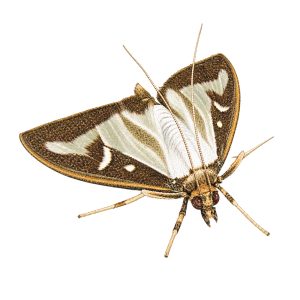
Capsid bugs (Heteroptera, Miridae, Mirinae) are common and important pests of many horticultural and some agricultural crops worldwide. Three of the most important in the UK are the European Tarnished Plant Bug, Lygus rugulipennis, the Common Green Capsid, Lygocoris pabulinus, and the Nettle Capsid, Liocoris tripustulatus. In conventional crops they are controlled by sprays of broad-spectrum insecticides. In organic crops Capsids cause high levels of damage because insecticides available are inadequate and of short persistence. Capsids have few natural enemies and effective biocontrol methods have not been developed for them. Work undertaken by researchers at the Natural Resources Institute and East Malling Research, UK have helped develop effective sampling methods and treatment thresholds for this pest using pheromone traps.
Available singly, price discounts for bulk orders. Prices on application.
Description
Recommendations for use
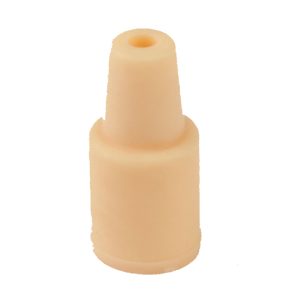
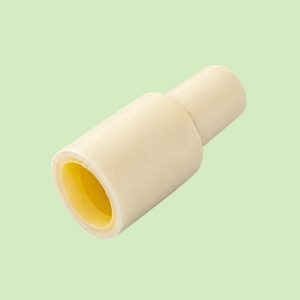
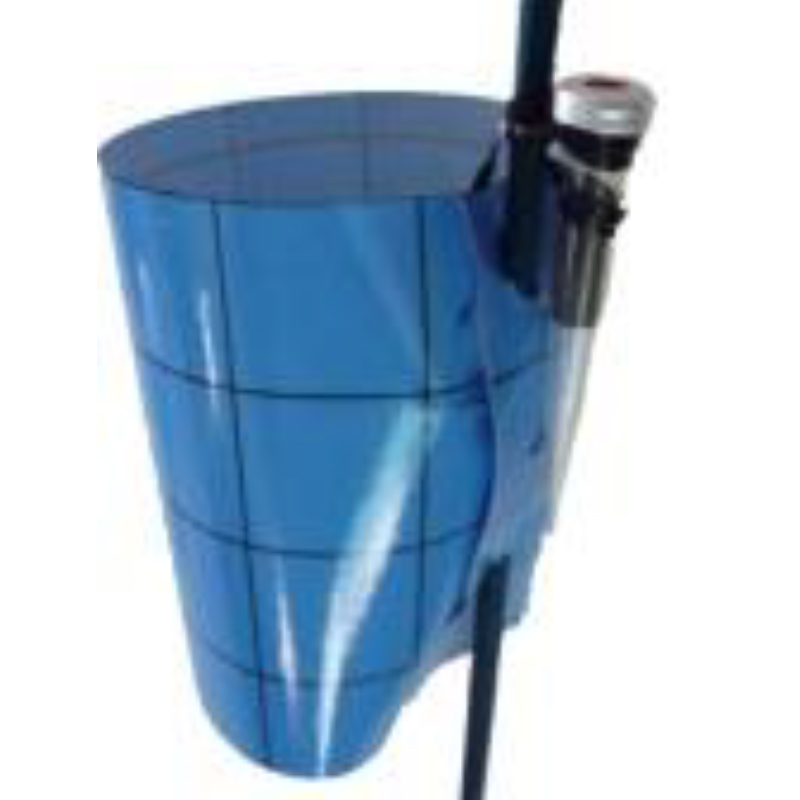
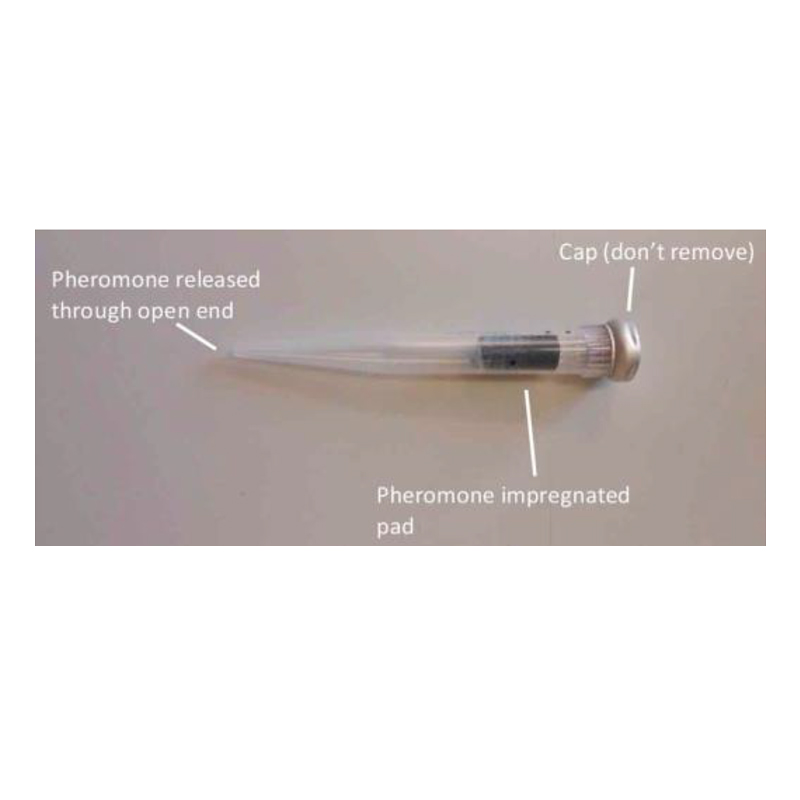
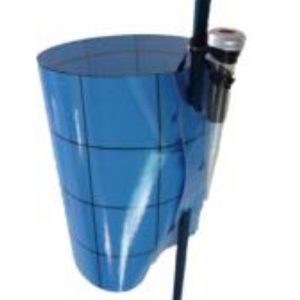
The pheromone monitoring trap consists of a pipette shaped dispenser and a trapping surface in the form of a blue glue coated card, formed into a cylinder and mounted on a cane. The pipette dispenser provides a sustained release of all three pheromone components at the appropriate rate. It is critical not to open micro vial dispenser.
Traps should be in place from April/May, when the first generation of adults normally appear, through to the end of the season (October). Exact time of insect emergence will vary with location and season and in protected crops, emergence may occur earlier. Traps should be placed towards the edges of fields, particularly where weeds are present and known to be a source of Capsid bugs. For protected crops, place in a weeded area outside the structure. Two traps should be sufficient to monitor up to 2 hectares of a uniform plantation. Higher trap numbers are recommended in the case of irregular shaped fields, or in problem areas where damage has previously occurred. Only adult male capsids are attracted to the traps and most will be caught in the early morning. Check traps and renew sticky cards and twist ties weekly. Change dispensers every 4 weeks.
Catches should be recorded weekly. For outdoor crops, apply a control product effective against Capsids 2 weeks after a trap catch of 10 adults per trap (or a steep rise in numbers) has been recorded. Be aware that the same pheromone dispenser will also attract the Common Green Capsid, but this is more effectively trapped with a funnel trap with vanes.
A complete season kits consists of 5 dispensers, 20 sticky cards (10cm x 25cm), 20 dispenser twist ties (10cm) and 1 cane. Individual components are available to order separately. To assemble, without removing cover paper, form the blue sticky card into a cylinder, attach to the wooden cane and push into the ground in an area clear of vegetation. Remove outer paper cover. Attach the dispenser using a twist tie ensuring that the dispenser is hanging down towards the centre of the blue sticky. Store dispensers in a refrigerator until required.
| Latin Name | Lygocoris pabulinus |
|---|---|
| Common Name | Common Green Capsid |
| Pheromone Active | Hexyl butyrate, (E)-2-hexenyl butyrate and (E)-4-oxo-2-hexenal |
| Product Purpose | Pheromone containing active chemical and antioxidant |
| Dispenser | Micro Vial, pipette style dispenser |
| Field Life | 4 weeks (temperature dependent) |
| Packaging | Sachet packed in Foil Lined Laminate |
| Shelf Life | Up to 2 years when stored in cool, dry conditions |
| Recommended Trap | Blue sticky card formed as a cylinder on a wooden stake |