Pheromone Monitoring & Mass Trapping for Tuta absoluta, Tomato Leafminer
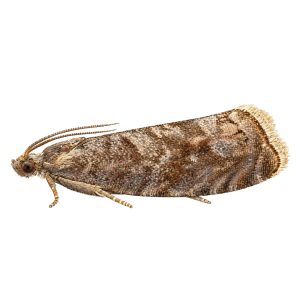
A major pest of tomato and solanaceae. Originally a native of S. America, it has spread to all of Europe. It can occur in high populations and cause serious damage by mining into leaves, stems and fruit. It has also been reported on potato, aubergine and wild solanaceae. Each female can lay several hundred eggs and it can have multiple generations per year depending on the latitude. In cooler climates it only thrives in summer or within protected environments. In warmer climates it can proliferate all year round with 10 to 12 generations common.
Available singly, price discounts for bulk orders. Prices on application.
Description
Directions for use
Tuta absoluta can occur all year round in warmer climates. Activity will decrease during the cooler months, particularly at the northern or southern extremes of its range. Insects will continue to develop as long as there is food plant available.
Monitoring: Delta Traps should be hung as low as practical, no higher than 30-60cm above the tomato or related crop and placed within the crop with at least 50m between each trap. A minimum of two traps should be used regardless of the field size. Lures should be changed every 4-6 weeks. Traps need to be cleaned and maintained on a regular basis. Catches should be recorded every 3-4 days in low populations but more frequently in fields with high populations. To avoid affecting the efficiency of the trapping system it is strongly recommended that traps be used for only the one species. Never use the lures for other species in this trap.
Mass Trapping: Use 20-25 water traps/ha in open sites and 30/ha in greenhouses. There is no maximum use rate. Distribute traps evenly, at least 15-20m apart. Place on the soil or growing medium, at a maximum height of 40cm above the surface. Fix the lure to the trap and fill with water or use drip irrigation. Add a small quantity of vegetable oil or liquid soap as wetting agent to break the surface tension and help reduce evaporation. Mass Trapping can have a positive effect on managing the build up Tuta. Traps placed when populations are low and the crop is still young, help contain the pest and prevent build up of pest pressure, reducing damage and delaying the need for spraying. Trapping should be used in conjunction with good sanitary practices. Water-based traps are recommended because of their very high insect catching capacity. Service regularly to ensure efficiency.
Storage Instructions
The pheromone lure is sealed in impermeable packaging for storage and shipping. Keep product away from direct sunlight, heat, sparks and open flame. The dispensers and systems should be kept under good storage conditions at below 15°C when the dispensers will retain their activity and attraction for a minimum of 18 months. Bulk storage of dispensers for periods of up to 24 months is possible by refrigeration at temperatures of 4°C or below. Keep dispensers inside their sealed packaging until use. When replaced, the old dispenser should be completely removed from the area of use and destroyed to prevent interference with the fresh replacement/ recharge dispenser.
| Latin Name | Tuta absoluta |
|---|---|
| Common Name | Tomato Leafminer |
| Pheromone Actives | Triene (3E,8Z,11Z)-3,8,11-tetradecatrienyl acetate Diene (3E,8Z)-3,8-tetradecadienyl acetate |
| Dose | 0.5 mg dispenser (Triene:Diene, Major:Minor, 95:5 ratio) |
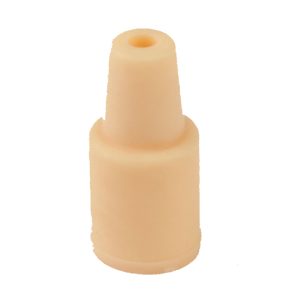
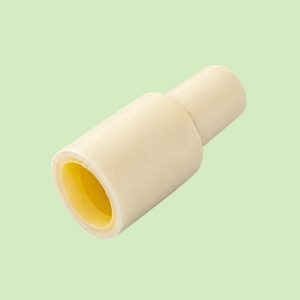
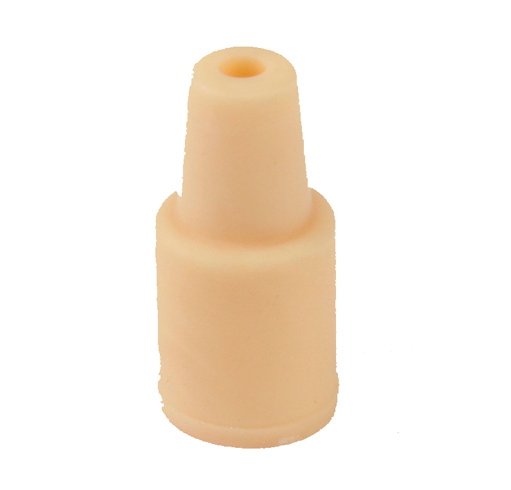
| Dispenser | Natural rubber septa |
| Active Life | 4–6 weeks (temperature dependent) |
| Packaging | Individually Sachet Packed |
| Sachet Material | Foil Lined Laminate |
| Shelf Life | Up to 2 years when stored in cold, dry conditions |