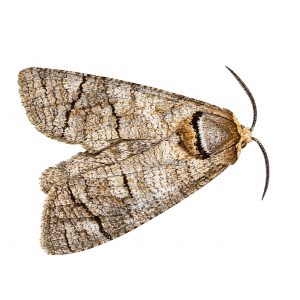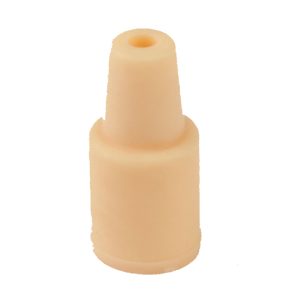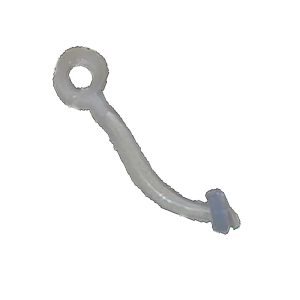
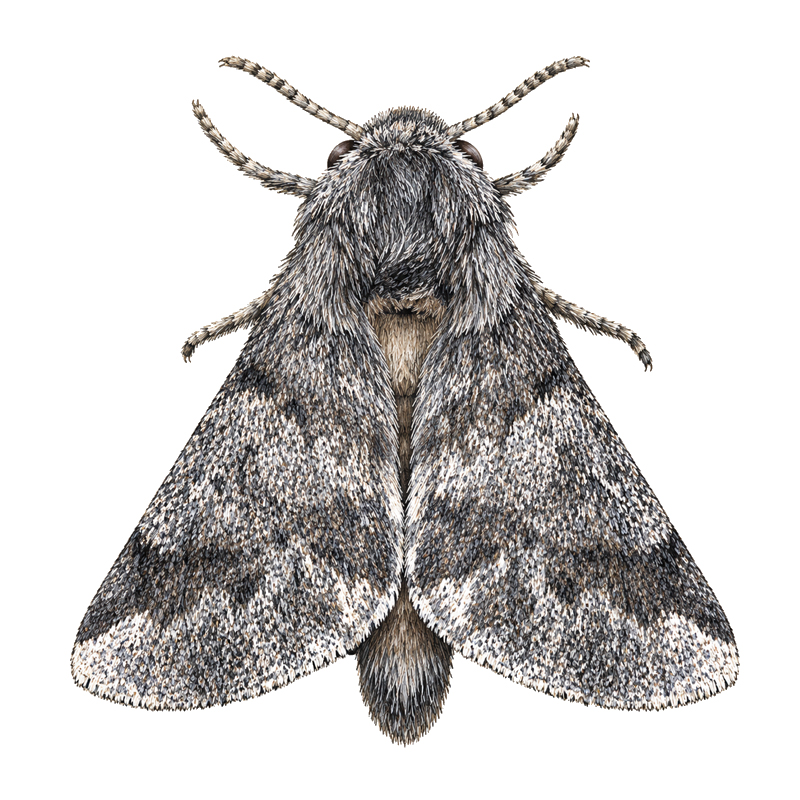
Pheromone Monitoring Lure for Thaumetopoea processionea, Oak Processionary Moth
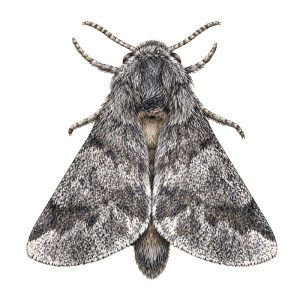
The Oak Processionary Moth is native to C & S Europe and a recent invasive in the UK. Its name is derived from the habit of caterpillars forming ‘processions’. It was first recorded in The Netherlands in 1991, with 1996 and 2001 being particularly bad years for tree damage. The insect poses a health risk as the caterpillars have urticating (irritating) hairs that carry a toxin which can be blown in the wind and cause serious irritation to the skin, eyes and bronchial tubes of humans and animals. They are considered a significant human health problem when populations reach outbreak proportions. The caterpillars can cause serious defoliation of oak trees, their principal host, but the trees will recover and produce leaf in the following year. They have also been associated with hornbeam, hazel, beech, sweet chestnut and birch, but usually only where there is heavy infestation.
Available singly, price discounts for bulk orders. Prices on application.
Description
Directions for Use
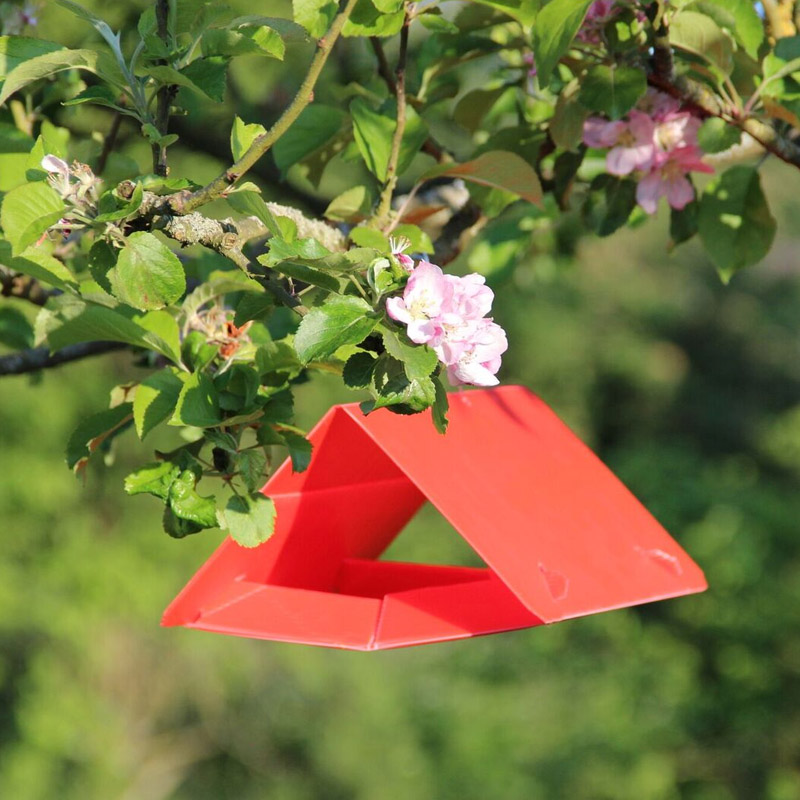
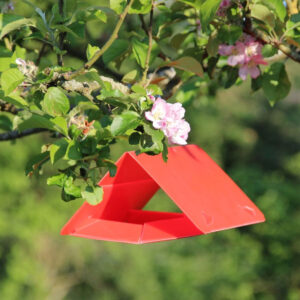
Funnel Traps are preferred for Oak Processionary. Funnel traps should be part filled with 250 ml of a 12% salt (saline) solution to kill and retain the moths. This helps preserve secimens intact for identification and reduces the risk of urtication from larval hairs, that adults may pick up as they emerge from the pupal nest. A few drops of liquid detergent should also be added to break the water tension.
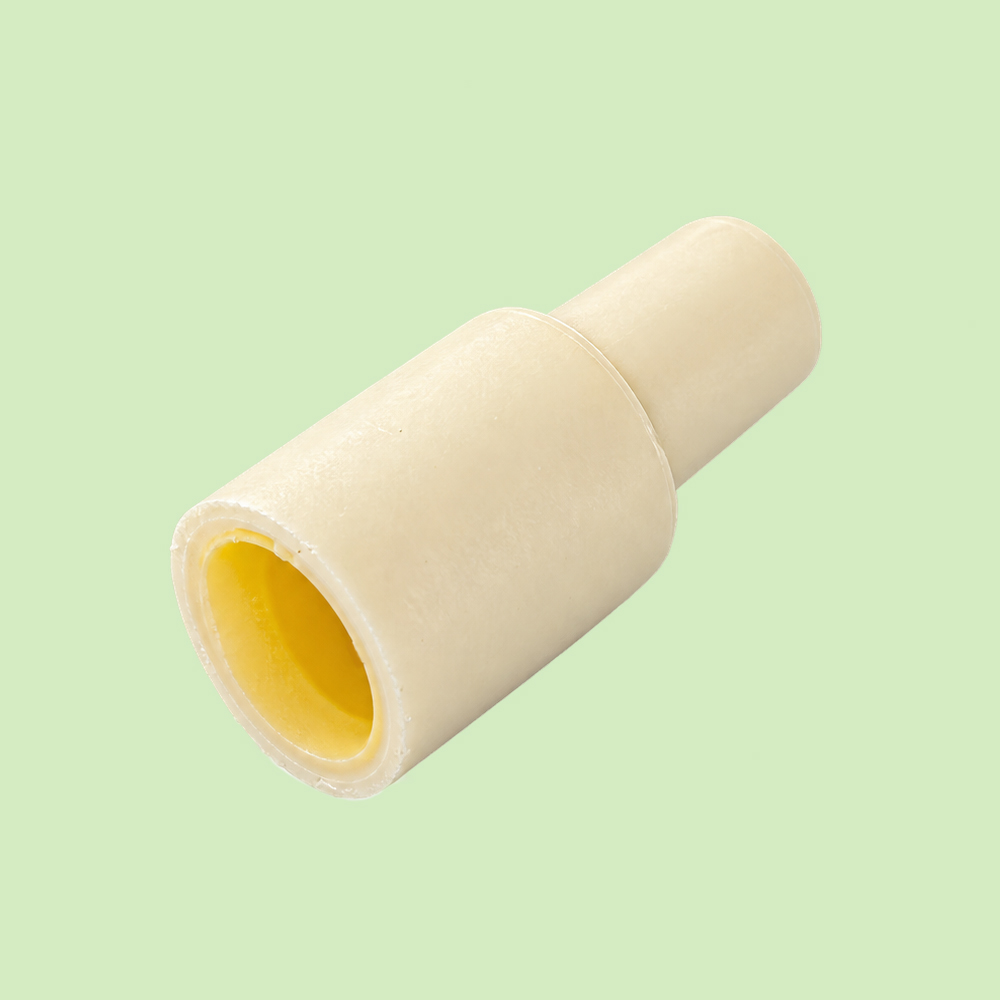
Sentomol Oak Processionary Moth Pheromone Lures contain all components of the sex pheromone to attract adult males. Traps should be placed outdoors from the middle of July to mid September, to coincide with the flight period of the adult moths and should be inspected at least every two weeks. Pheromone lures should be replaced after four weeks. The moth has a preference for oak trees growing in open, sunny habitats and therefore traps placed in these situations have a greater chance of catching adult moths than traps in a densely-shaded block of woodland. Place 10–15 m above ground in the tree canopy. Below 5 m trap catch is generally ineffective for monitoring. Suspend a trap from a line passed over a branch or through a sling or pulley attached to the tree. This can then be raised or lowered when the trap needs to be inspected. Tie off the line at about 3m (above the reach of passers-by) by using a step-ladder. Space traps at least 50 m apart.
Storage Instructions
Use lures that have been manufactured recently and purchase new lures at the start of every season. Do not use lures left over from the previous year. The product is sealed in impermeable packaging for storage and shipping. Keep product away from direct sunlight, heat, sparks and open flame. The dispensers should be kept unopened in a freezer at –20°C until used. Allow the pheromone dispensers to reach room temperature in the original packaging before opening. When replaced, the old dispenser should be completely removed from the area of use and destroyed to prevent interference with the fresh replacement/ recharge dispenser.
| Latin Name | Thaumetopoea pityocampa (Family: Notodontidae) |
|---|---|
| Common Name | Pine Processionary Moth |
| Pheromone Active | 11-Hexadecenyl acetate (≥95%) |
| Dispenser | Septa |
| Material | Natural Rubber |
| Active Life | 6–8 weeks (temperature dependent) |
| Packaging | Individually Sachet Packed |
| Sachet Material | Foil Lined Laminate |
| Shelf Life | Up to 2 years when stored in cool, dry conditions |
| Recommended Trap | Funnel Trap |