Pheromone Monitoring Lure for Spodoptera frugiperda, Fall Armyworm
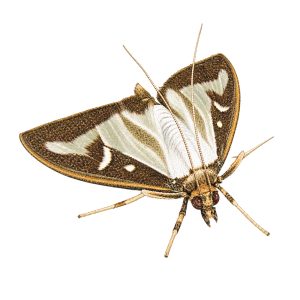
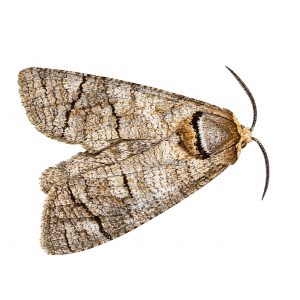
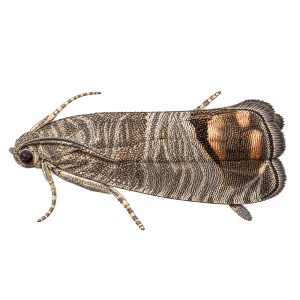
The armyworm’s diet consists mainly of grasses and small-grain crops. An infestation is hard to detect, as the caterpillars migrate to new feeding areas in the cool of the night. Mature caterpillars can damage entire crops in a few days. Adult moths have a wingspan of 32-40 mm. Forewings are shaded grey and brown with triangular white spots at the wing tip. These markings are less obvious on the often uniformly coloured female’s wings. Native to the Americas, it is an invasive species in Africa. Feeding by young larvae produces windows in the leaves, while later instars will consume entire leaves. There can be up to generations.
Available singly, price discounts for bulk orders. Prices on application.
Description
Directions for Use
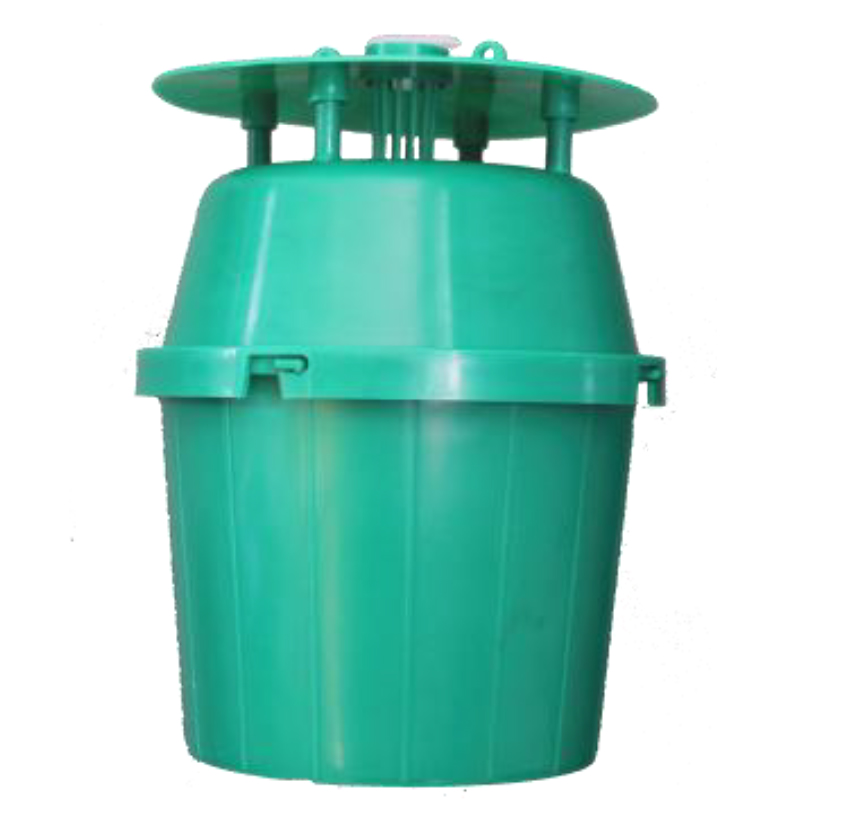
The Funnel trap is recommended. Trapping can be carried out during most of the year in African and Middle Eastern countries whereas in more temperate countries trapping is usually carried out from April to December. These species are polyphagous, attacking a range of agricultural crops including alfalfa, cotton, sorghum, maize, rice, wheat and millet. Traps should be attached to stakes and placed in the crops which are most frequently attacked. Placement should be within the crop at crop height and with at least 50m between each trap. One trap is sufficient to monitor up to 3 hectares of a uniform field. In the case of small or non-uniform plots 1 trap per hectare is recommended. A minimum of two traps should be used regardless of the field size.
Lures should be changed every 6 to 8 weeks. The funnel traps should be emptied weekly to avoid the trap filling and repellence from putrefaction of the insects caught. The toxicant strips should be changed when lures are changed. Catches should be recorded every 4 – 5 days in low populations but more frequently in fields with high populations. Record the trap catch on a trap record sheet. To avoid affecting the efficiency of the trapping system it is strongly recommended that traps be used for only the one species. Never use the lures for other species in this trap.
Storage Instructions
This product is sealed in impermeable packaging for storage and shipping. Keep product away from direct sunlight, heat, sparks and open flame. The dispensers should be kept under good storage conditions at below 15°C when the dispensers will retain their activity and attraction for a minimum of 18 months. Bulk storage of dispensers for periods of up to 24 months is possible by refrigeration at temperatures of 4°C or below. Keep dispensers inside their sealed packaging until use. When replaced, the old dispenser should be completely removed from the area of use and destroyed to prevent interference with the fresh replacement/ recharge dispenser.
| Latin Name | Spodoptera frugiperda |
|---|---|
| Common Name | Fall Armyworm |
| Pheromone Actives | (Z)-9-Tetradecenyl acetate (Z)-7-Dodecenyl acetate (Z)-11-Hexadecenyl acetate (Z)-9-Dodecenyl acetate |
| Important | Blends and ratios dependent on genetic strain |
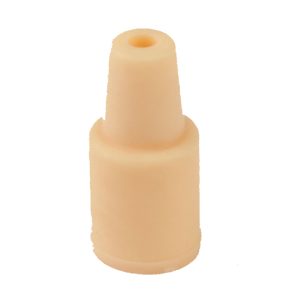
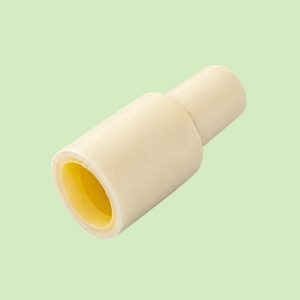
| Dispenser | Natural Rubber Septa |
| Active Life | 6–8 weeks (temperature dependent) |
| Packaging | Individually Sachet Packed |
| Sachet Material | Foil Lined Laminate |
| Shelf Life | Up to 2 years when stored in cool, dry conditions |
| Recommended Trap | Funnel Trap |