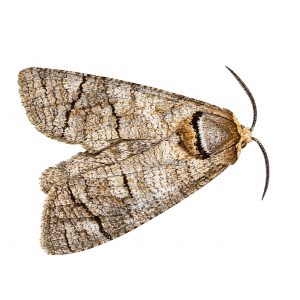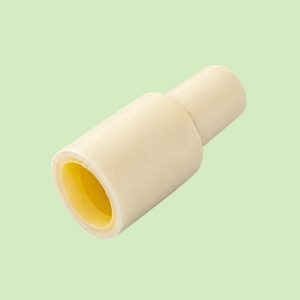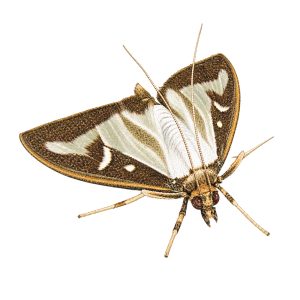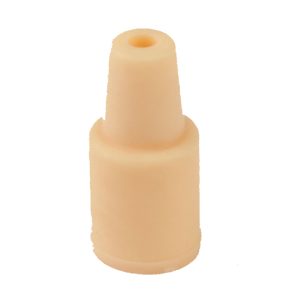
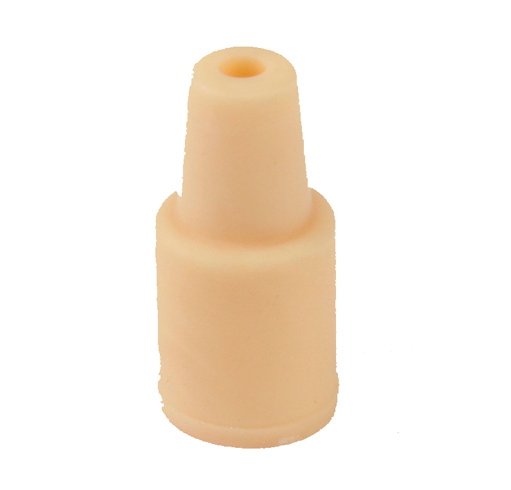
Pheromone Monitoring Lure for Sesamia cretica Corn stem borer
A pest of maize throughout the Mediterranean, Africa and India where it can be a sporadic pest of a wide array of other plants including rice, sugarcane, sorghum and millet. The larvae have been recorded feeding on Oryza sativa, Panicum miliaceum, Pennisetum glaucum, Poaceae species, Saccharum officinarum, Sorghum bicolor, Triticum species and Zea mays. They feed on the epidermal tissues and later bore into the heart of the host plant. Third instar larvae move to the lower part of the stalk near the soil level. The larvae hibernate in the tunnels from July to January. Pupation also takes place here. Larval activity weakens the plant, reducing vigour and production. The number of generations Varies from country to country, although 2 generations are most common in more temperate countries.
Available singly, price discounts for bulk orders. Prices on application.
Description
Directions for Use
The Funnel trap is recommended for this species but the delta trap can also be used. Trapping can be carried out during most of the year in many African and Middle Eastern countries. In more temperate countries of the northern hemisphere monitoring is carried out between May and November. In the southern hemisphere trapping is between November and June.
Traps should normally be attached to stakes at 1m height and placed within the crop at least 30 metres apart. A minimum of two traps should be used regardless of the field size.
Lures should be changed every 6 weeks. Funnel traps should be emptied weekly to avoid the trap filling and repellence from putrefaction of the insects caught and sticky inserts removed and changed from delta traps as they fill with captured insects.
Storage Instructions
This product is sealed in impermeable packaging for storage and shipping. Keep product away from direct sunlight, heat, sparks and open flame. The dispensers and systems should be kept under good storage conditions at below 15°C when the dispensers will retain their activity and attraction for a minimum of 18 months. Bulk storage of dispensers for periods of up to 24 months is possible by refrigeration at temperatures of 4°C or below. Keep dispensers inside their sealed packaging until use. When replaced, the old dispenser should be completely removed from the area of use and destroyed to prevent interference with the fresh replacement/ recharge dispenser.
| Latin Name | Sesamia cretica |
|---|---|
| Common Name | Corn stem borer |
| Pheromone Actives | (Z)-9-tetradecenyl acetate (Z)-9-tetradecenol (Z)-11-hexadecenol |
| Dispenser | Natural Rubber Septa |
| Active Life | 6–8 weeks (temperature dependent) |
| Packaging | Individually Sachet Packed |
| Sachet Material | Foil Lined Laminate |
| Shelf Life | Up to 2 years when stored in cool, dry conditions |