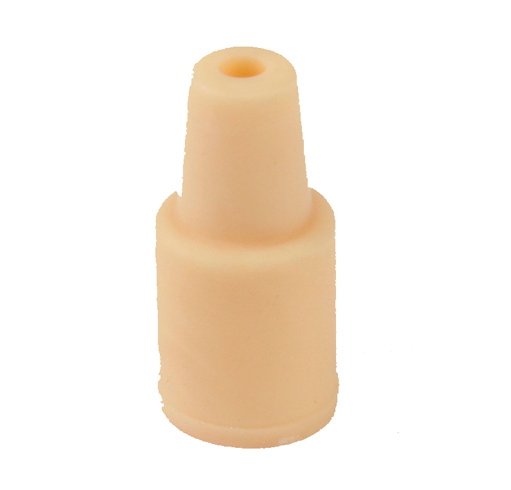
Pheromone Monitoring Lure for Bactrocera (Dacus) oleae, Olive Fruit Fly
This is generally considered the most important pest of olives throughout the Mediterranean and North African region. The female lays her eggs under the surface of the olive fruits. The larvae consume the fruit causing it to drop prematurely or rendering it unusable for the table olive market and reducing it’s value for olive oil. There are 4 to 7 generations per annum depending on the location.
Available singly, price discounts for bulk orders. Prices on application.
Description
Directions for use
Vertical Yellow sticky traps are recommended, to be used in conjunction with the pheromone lure. Both males and females are attracted over short distances to the yellow colour of the traps but the pheromone dispenser, which is effective principally on the males, will help attract them from longer distances. It is recommended that in addition to the pheromone baited trap, a few unbaited yellow traps should also be used to record the fly’s periods of sexual behaviour. The pheromone will have a reduced activity in some areas during May, June and July due to lack of sexual activity in the fly during this period. At this time captures on the pheromone baited traps will not be significantly different from unbaited traps.
In the northern Mediterranean the traps should be placed at head height on the south and outer side of the tree canopy with at least 50m between each trap. In the hotter areas of north Africa the flies may not seek the more exposed southern side so traps may be placed on both north and south sides of the trees. Use traps at a density of 5 per hectare in small non-uniform olive groves and at a density of 2 per hectare in large uniform groves. Lures should be changed monthly and the traps changed when debris or non target species have reduced the catching efficiency of the glue significantly. Catches should be recorded weekly or more frequently in groves with high populations. Interpretation of catch records for timing control measures will vary from country to country, but usually the resumption of sexual behaviour following the period of summer sexual inactivity is marked by a significant increase in the catch in pheromone baited traps compared to the unbaited yellow traps.
Storage Instructions
This product is sealed in impermeable packaging for storage and shipping. Keep product away from direct sunlight, heat, sparks and open flame. The product should be kept under good storage conditions at below 15°C when the dispensers will retain their activity and attraction for a minimum of 18 months. Bulk storage of dispensers for periods of up to 24 months is possible by refrigeration at temperatures of 4°C or below. Keep dispensers inside their sealed packaging until use. When replaced, the old dispenser should be completely removed from the area of use and destroyed to prevent interference with the fresh replacement/ recharge dispenser.
| Latin Name | Bactrocera (Dacus) oleae |
|---|---|
| Common Name | Olive Fruit Fly |
| Pheromone Active | 1,7-Dioxaspiro (5,5) undecane (spiroketal) |
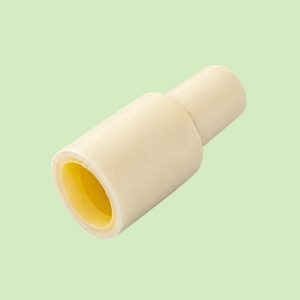
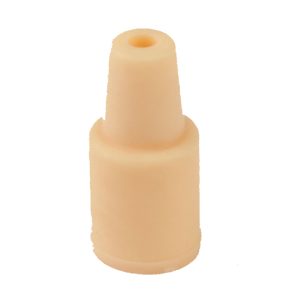
| Product | Pheromone dispenser containing active |
| Dispenser | Vial |
| Material | Polyethylene |
| Packaging | Individually Sachet Packed |
| Sachet Material | Foil Lined Laminate |
| Active Life | 2–3 months (temperature dependent) |
| Shelf Life | Up to 2 years when stored in cool, dry conditions |