Pheromone Monitoring Lure and Trap for Dasineura plicatrix, Blackberry Leaf Midge
Blackberry Leaf Midge or Leaf Gall Midge, Dasineura plicatrix (Loew) is a pest of blackberry, raspberry and loganberry and is distributed throughout Central andWestern Europe and has appeared also in North America. It appears also on wild Rubus fruticosus. The legless larvae feed on the upper surfaces of folded young leaves and larval feeding causes discolouration of leaves which become twisted and eventually turn black. In severely attacked plants there can be an inhibition of growth with shoot tips killed, growth stunted and subsequent branching. An attacked leaf tends to fold along the mid-rib, which then swells. Growth of infested shoots is usually checked at least during the period of attack.
Severely damaged leaves become twisted and distorted and eventually turn black. Adults are 1.5mm-2mm long, with clear wings, brownish or yellowish, with the abdomen of females noticeably pale. Larvae are 2.5mm long and whitish. Adults appear in May and June. Eggs are laid in furled leaves and hatch a few days later. the larvae then feed gregariously on the upper surface of young unopened leaves, becoming fully grown in about 3 weeks. They then drop to the ground and eventually pupate in cocoons in the soil. The pupal stage lasts for about 3 weeks. In outdoor crops, a second generation of adults appears in July and August and larvae in August and September. The winter is spent as fully grown larvae in cocoons, pupation occurring in the spring. In protected crops there can be up to 4 generations
Available singly, price discounts for bulk orders. Prices on application.
Description
Monitoring
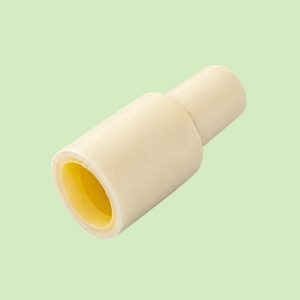
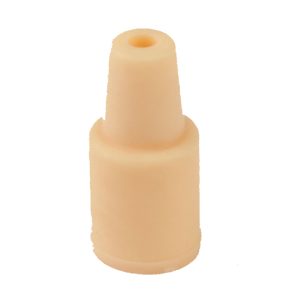
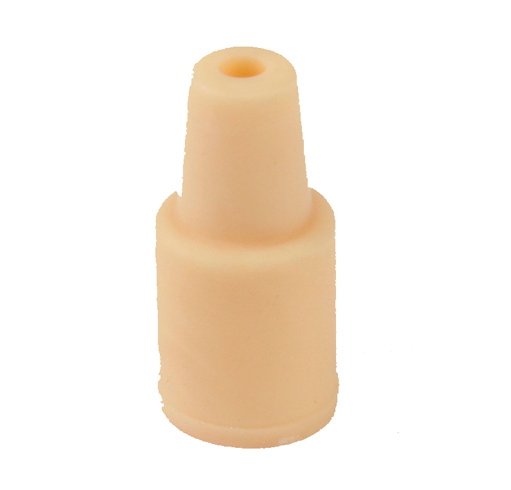
Females of Dasineura spp. produce sex pheromones to attract males for mating and these can be used as a monitoring tool in integrated pest management. Lures contain two synthesised components to attract male D. plicatrix to traps; the single components are virtually unattractive by themselves. The Delta Trap is recommended for the Blackberry Midge. White or Red colour. The trap catches can be used to time sprays, including in protected crops, where attacks occur much earlier than outdoors. The male adults are attracted to the female sex pheromone contained in a rubber septum and become stuck on the glue surface. The traps should be placed within crops, not less than 50m apart. Ideally set out traps before the first flight of the midges in spring (early April outdoors, earlier under protection). Two traps should be sufficient to monitor up to 2 hectares of a uniform plantation. Higher numbers are recommended in the case of protected crops, irregular fields, or in problematic areas where damage has occurred in the past. One trap should be provided for each plantation/cropping situation. Deploy in the centre of the plantation. Suspend, so that the trap base is at a height of 0.5 m above the ground exactly. Lures should last 4 weeks and will need to be changed monthly in the course of the season. It is recommended that at each reading sticky inserts are either swapped for clean ones or the trapped insects and any debris removed and the glue stirred. The sticky inserts should be changed if excessively contaminated or rotated to facilitate insect counting. When a nominal threshold of a cumulative number of 10 midges have been caught, apply a product effective against midges. Sprays against later generations, e.g. post harvest, may be justified if populations are high. Catches should be recorded every week on the Trapping Record Card provided. These insects can occur in very high populations. Although the lure is selective, other small insects may be caught by chance. Correct
identification of the pest is therefore important.
Storage and Handling
The pheromone dispensers are supplied in labelled and vapour proof sachets. The dispensers should be kept in good storage conditions at or below 15°C where they will retain their activity and attraction for a minimum of 12 months.