Pheromone Monitoring Lure for Adoxophyes orana, Summer Fruit Tortrix
This is an important pest insect in apple, but also in pear, cherry, plum and apricot. It is a common species all over Europe, the Middle East, Korea, Japan and Northern America. The moth has two generations per year. Annual activity starts in the early spring.
Overwintering larvae emerge to feed on buds and later, flowers. In May, at the end of their fifth instar, the larvae pupate and emerge as adults in May/June. Females lay up to 150 eggs, from which the young larvae hatch within a few days (summer generation). The greatest economic loss is caused by the larvae feeding on the fruit. Older larvae graze the ripening fruits leaving round holes in the fruit tissue or make extensive areas of damage on the fruit surface.
Attacked fruits often heal poorly promoting secondary infections (e.g. by fungi). The second generation (autumn generation) of moths appears inAugust/September. Females deposit eggs on leaves and fruit until they reach the third instar, producing further but smaller superficial damage on the fruits. They go into diapause in bud axils or in cervices on the trunk.
Available singly, price discounts for bulk orders. Prices on application.
Description
Directions for Use
Traps should be placed in the orchard before the first moths normally appear and maintained until the end of the season; this is normally between early May to early October. The exact time of insect emergence will vary with location and seasonal variation. Place traps at head height within the tree canopy and located centrally within the orchard with at least 50m between each trap. One trap should be sufficient to monitor up to 3 hectares of a uniform orchard. In the case of irregular orchards 1 trap per hectare is recommended. Luresshould be changed every 6 weeks or earlier. Sticky inserts should normally be changed when the lures are changed. Catches should be recorded weekly in low populations but more frequently in orchards with high populations. To avoid affecting the efficiency of the trapping system it is strongly recommended that traps be used for only the one species. Never use the lures for other species in this trap.
Storage Instructions
This product is sealed in impermeable packaging for storage and shipping. Keep product away from direct sunlight, heat, sparks and open flame. The dispensers and systems should be kept under good storage
conditions at below 15°C when the dispensers will retain their activity and attraction for a minimum of 18 months. Bulk storage of dispensers for periods of up to 24 months is possible by refrigeration at temperatures of 4°C or below. Keep dispensers inside their sealed packaging until use. When replaced, the old dispenser should be completely removed from the area of use and destroyed to prevent interference with the fresh replacement/ recharge dispenser.
| Latin Name | Adoxophyes orana |
|---|---|
| Common Name | Summer Fruit Tortrix |
| Pheromone Active |
(Z)-9-Tetradecenyl acetate (≥95%) (Z)-11-Tetradecenyl acetate (≥95%) |
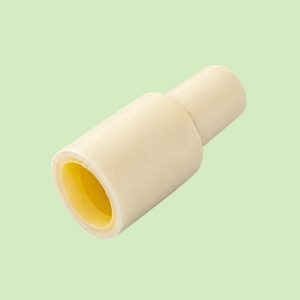
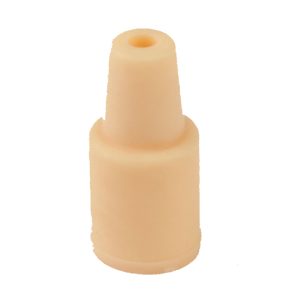
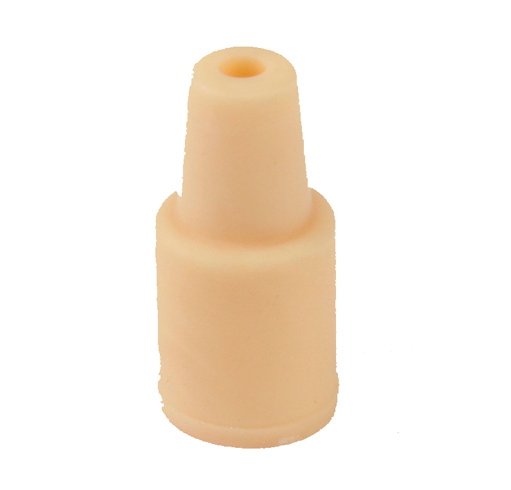
| Dispenser | Septa |
| Material | Natural Rubber |
| Active Life | 6–8 weeks (temperature dependent) |
| Packaging | Individually Sachet Packed |
| Sachet Material | Foil Lined Laminate |
| Shelf Life | Up to 2 years when stored in cool, dry conditions |
| Recommended Trap | Delta Trap |
| Recommended Trap | Funnel Trap |