Pheromone Monitoring Lure for Thaumetopoea pityocampa, Pine Processionary Moth
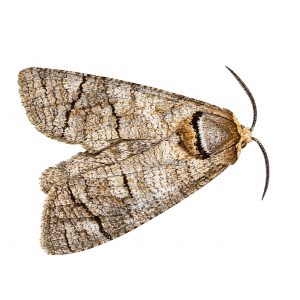
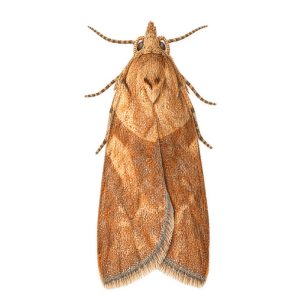
An important defoliator of pine trees throughout the Mediterranean. There is one generation per season. There are about eighty species in the family Thaumetopoeidae (all referred to as the processionary moths). Only a few live in Europe. The Pine Processionary Moth (Thaumetopoea pityocampa) attacks pine and cedar forests in all Mediterranean countries. The moth gets its name from the processionary habits of the caterpillars, which at a certain stage, move through the trees in a long procession. It is present in most of Southern Europe. The pine processionary larva can be easily identified by its gregarious behaviour and by the silky nests it builds high in the uncluttered parts of trees. It generally feeds and builds nests by night and can be a public health nuisance as the larval hairs, can cause dermatitis with intense itching, oedema, conjunctivitis and keratitis if there is eye contact and respiratory problems. Population outbreaks are erratic, with higher numbers occurring in certain years and not others.
Available singly, price discounts for bulk orders. Prices on application.
Description
Directions for Use
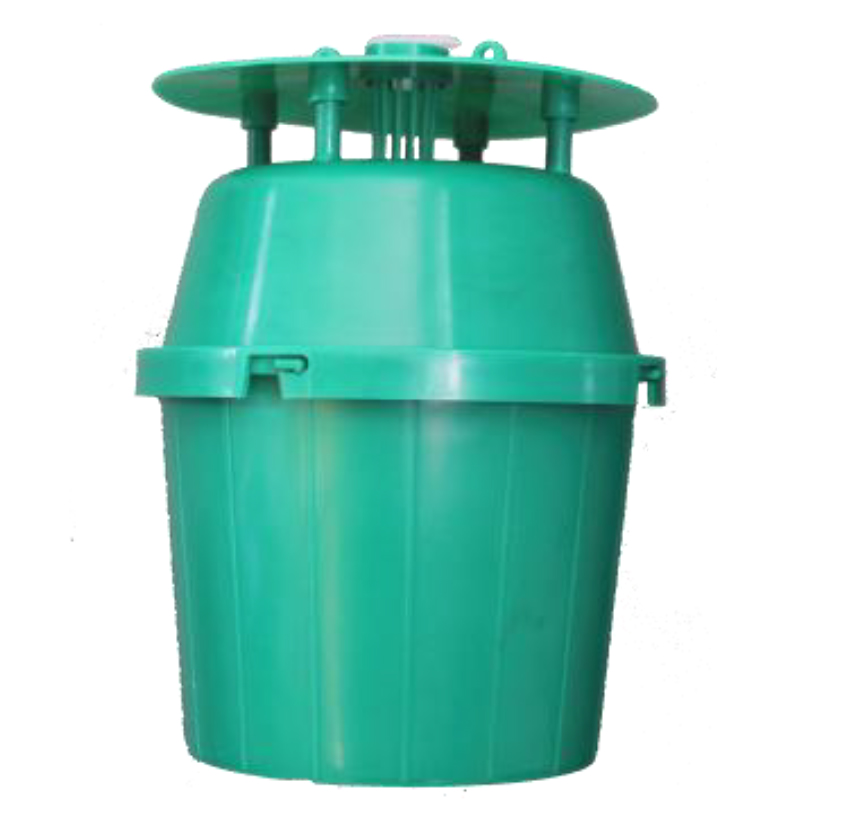
The Funnel Trap is recommended for this species although the Delta Trap can also be used in low population areas. The trapping season is usually between July and September. The exact time of insect emergence will vary with location and seasonal variation. Traps should normally be attached to the trees to be monitored with at least 50m between each trap. A minimum of two traps should be used regardless of the field size. Lures should be changed every 6‐8 weeks or earlier.
Funnel Traps should be emptied weekly to avoid the trap filling and repelling flying insects from putrefaction of the insects caught. The sticky inserts of the Delta Trap should normally be changed when the lures are changed. In situations where high insect catches or dusty conditions have led to the deterioration of the glue surface, the sticky inserts should be changed. At each reading, the trapped insects and any other debris should be removed and the glue stirred. Catches should be recorded weekly in low populations but more frequently in areas with high populations. To avoid affecting the efficiency of the trapping system it is strongly recommended that traps be used for only the one species. Never use the lures for other species in this trap.
Storage Instructions
This product is sealed in impermeable packaging for storage and shipping. Keep product away from direct sunlight, heat, sparks and open flame. The dispensers and systems should be kept under good storage conditions at below 15°C when the dispensers will retain their activity and attraction for a minimum of 12 months. Bulk storage of dispensers for periods of up to 24 months is possible by refrigeration at temperatures of 4°C or below. Keep dispensers inside their sealed packaging until use.
| Latin Name | Thaumetopoea pityocampa (Family: Notodontidae) |
|---|---|
| Common Name | Pine Processionary Moth |
| Pheromone Active | 11-Hexadecenyl acetate (≥95%) |
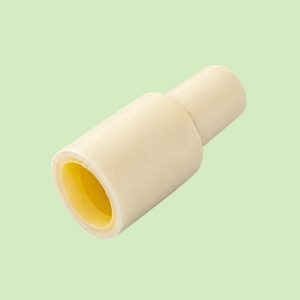
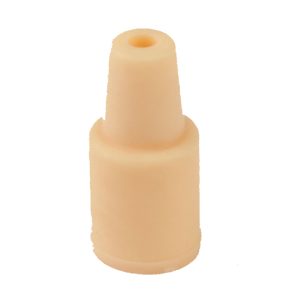
| Dispenser | Septa |
| Material | Natural Rubber |
| Active Life | 6–8 weeks (temperature dependent) |
| Packaging | Individually Sachet Packed |
| Sachet Material | Foil Lined Laminate |
| Shelf Life | Up to 2 years when stored in cool, dry conditions |
| Recommended Trap | Funnel Trap |