Pheromone Monitoring Lure for Bactrocera zonata, Peach Fruit Fly
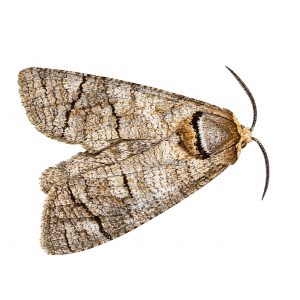
The Peach Fruit Fly is a very important pest of soft fruit such as guava, mango and peaches as well as apricot, fig and citrus. It has been recorded on over 50 cultivated and wild species. Originally from the Indian subcontinent, B. zonata is a quarantine pest in many regions. Eggs are laid below the skin of the fruit. These hatch within 1-3 days and the larvae feed for another 4-5 days before pupating in the soil under the host plant. Adults emerge after 1-2 weeks (longer in cool conditions). Flies are present throughout the year in warmer climates and there can be many generations. Originally a tropical pest it can survive under temperate Mediterranean conditions.
Available singly, price discounts for bulk orders. Prices on application.
Description
Directions for use
The Dome Trap trap is recommended for this species. A number of different types of traps can also be used. These can include the Delta trap or the Vertical yellow. The pheromone is formulated in dispenser designed to control the release of the attractant over a 2-3 month period. Monitoring can be all year round although this depends on the season for the fruit being protected. Place the lure in the basket which then clips onto the underside of the trap lid. A toxicant strip or catching liquid should be placed in the bottom of the trap. Traps should be placed at head height on the outside of the tree canopy with at least 30m between each trap. Use traps at a density of 5 per hectare in small non uniform orchards and at a density of 2 per hectare in large uniform plantings. Placed in the orchard immediately before fruit formation. In countries where the fly is a quarantine pest, monitoring should be carried out all year round to detect new invasions.
The Dome trap should be cleaned regularly and the attractant lures changed at 2-3 months intervals. Sticky inserts in delta traps or vertical yellows should be changed when the glue has become thin or when debris has reduced catching efficiency. Record catches weekly or more frequently in groves with high populations. Interpretation of catch records for timing control measures will vary from country to country. Consult your local agricultural advisory service for precise recommendations. Note: Methyl eugenol is attractive to a number of species of Tephritid fruit flies. Care should be taken in identifying the species caught. To avoid affecting the efficiency of the trapping system it is strongly recommended that traps be used for only the one species.
Storage Instructions
This product is sealed in impermeable packaging for storage and shipping. Keep product away from direct sunlight, heat, sparks and open flame. The dispensers and systems should be kept under good storage conditions at below 15°C when the dispensers will retain their activity and attraction for a minimum of 18 months. Bulk storage of dispensers for periods of up to 24 months is possible by refrigeration at temperatures of 4°C or below. Keep dispensers inside their sealed packaging until use. When replaced, the old dispenser should be completely removed from the area of use and destroyed to prevent interference with the fresh replacement/ recharge dispenser.
| Latin Name | Bactrocera zonata |
|---|---|
| Common Name | Peach Fruit Fly |
| Pheromone Active | 1,2-Dimethoxy-4-(2-propenyl)-benzene (Methyl eugenol) |
| Product Designation | Pheromone containing active chemical and antioxidant |
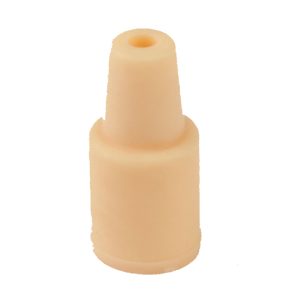
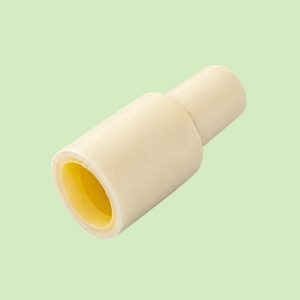
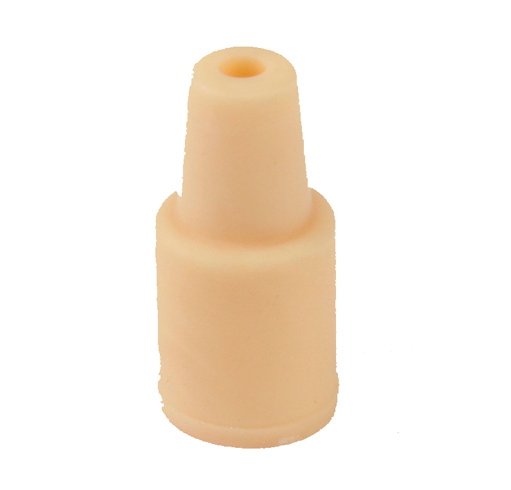
| Dispenser | Cellulose acetate plug coated in special waxes |
| Active Life | 2–3 months (temperature dependent) |
| Packaging | Individually sachet packed |
| Sachet Material | Foil Lined Laminate |
| Shelf Life | Up to 2 years when stored in cool, dry conditions |