Monitoring for Rhagoletis completa, Walnut Husk Fly
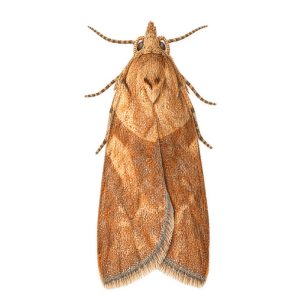
The walnut husk fly (Rhagoletis completa) is of American origin. It occurs in Europe since the 1990s and is now established in several European countries where it a pest of walnut. The adult fly is 4-5 mm long. It has a reddish brown to yellowish brown body with a creamy yellow scutellum. The wings are clear and marked with broad, blackish crossbands. The larvae are up to 6 mm long, whitish to yellowish white, and translucent. Adult walnut husk flies occur form early June onwards. The females lay their eggs beneath the skin of developing walnuts. The eggs hatch after 3-7 days and the larvae feed inside the developing fruits for up to 5 weeks.
Fully fed larvae drop to the ground and enter the soil to pupate and overwinter. Infested fruits bear a small, back oviposition scar. Later the surface of the fruit blackens and the underlying tissue is destroyed and turns black as well. When the fruit is opened the larvae can be seen; there can be up to 25 larvae in a fruit.
Available singly, price discounts for bulk orders. Prices on application.
Description
Directions for Use
Monitoring and trapping Walnut Husk Fly can capture both sexes, using a combination of a visual and odour attraction. The yellow traps are coated in sticky glue material and to the fly resemble foliage. The attraction is enhanced by incorporation of a compressed disc that forms an ammonia odour source. Remove a single card from the pack and attach hanging wire. Place one disc onto the glue surface. The traps should be hung at head height within the tree canopy and located centrally within the orchard with at least 50m between each trap. One trap should be sufficient to monitor up to 3 hectares of a uniform orchard. In the case of irregular orchards 1 trap per hectare is recommended. A minimum of two traps should be used regardless of the field size. Care should be taken to ensure that the trap is kept away from tree foliage and the glue cleared of debris.
Storage Instructions
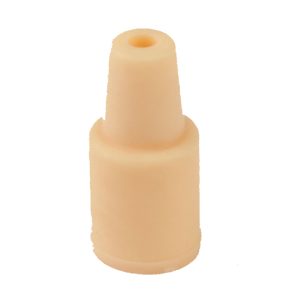
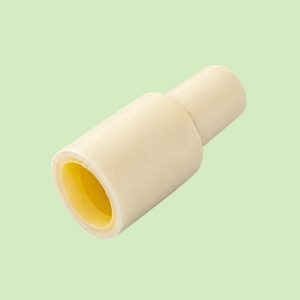
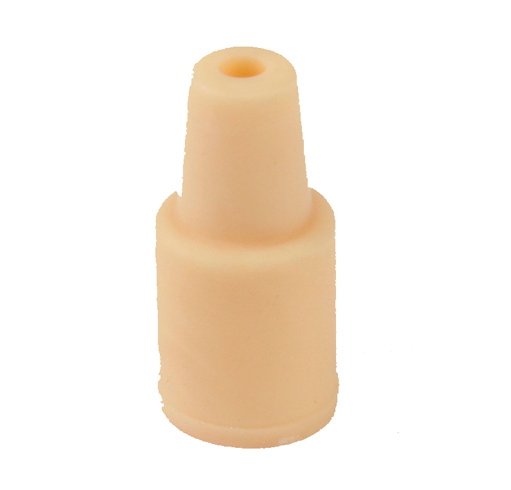
This product is sealed in impermeable packaging for storage and shipping. Keep product away from direct sunlight, heat, sparks and open flame. The pheromone dispenser should be kept under good storage conditions below 15°C when the dispensers will retain their activity and attraction for a minimum of 12 months. Storage of dispensers for periods of up to 24 months is possible by refrigeration at temperatures of 4°C or below. Keep dispensers inside their sealed packaging until use. Use within 2 years of purchase. When replaced, the old dispenser should be completely removed from the area of use and destroyed to prevent interference with the fresh replacement/ recharge dispenser.
| Latin Name | Rhagoletis completa |
|---|---|
| Common Name | Walnut Husk Fly |
| Active Ingredient | Ammonium acetate attractant lure |
| Dispenser | Disc |
| Active Life | 4–6 weeks (temperature dependent) |
| Packaging | Individually sachet packed |
| Sachet Material | Foil Lined Laminate |
| Shelf Life | Up to 2 years when stored in cool, dry conditions |
| Recommended Trap | Yellow glue trap |