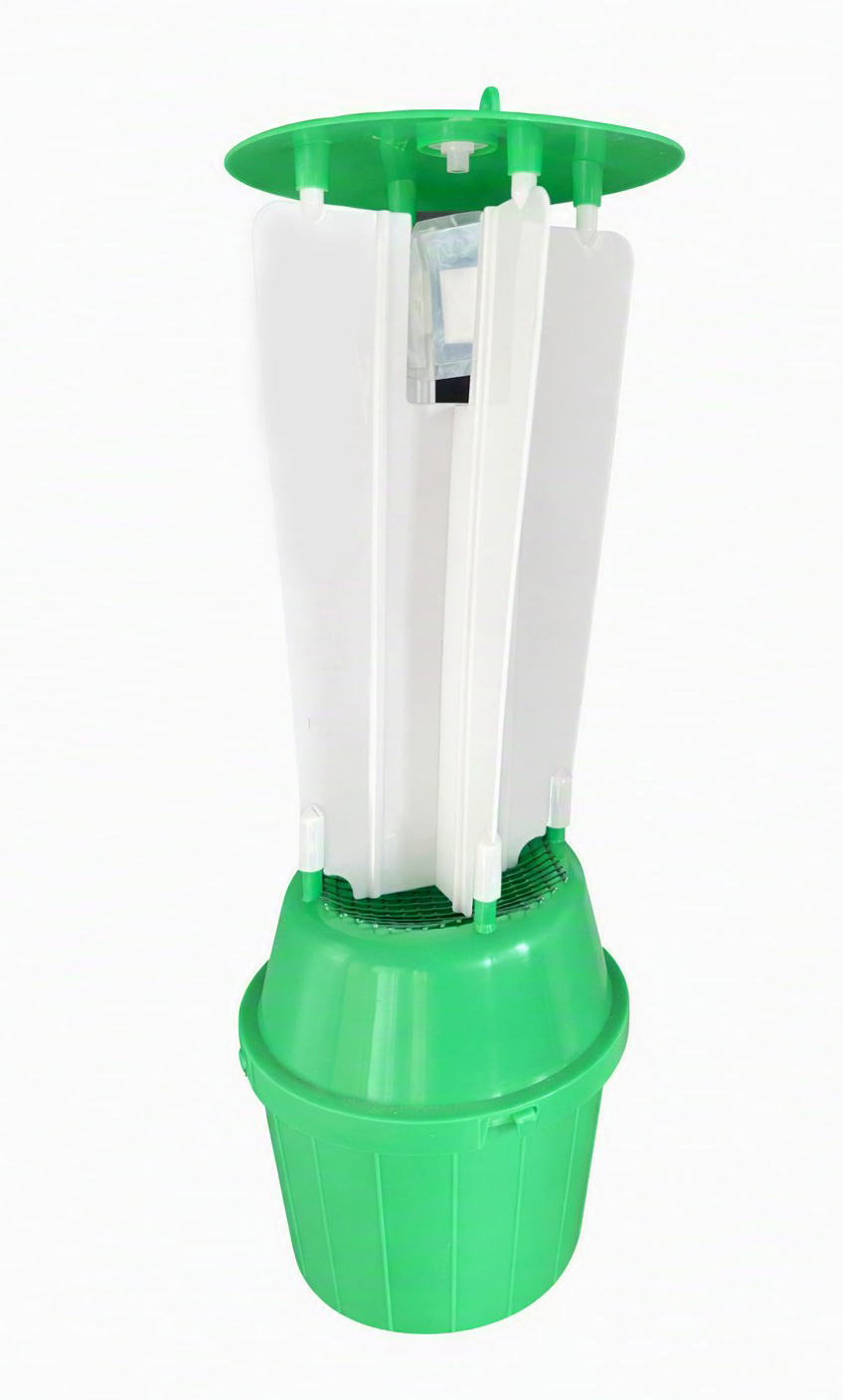
Raspberry Beetle Trap
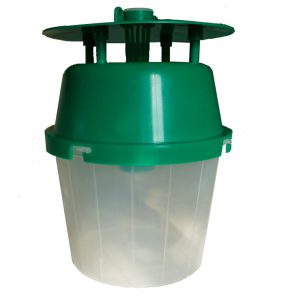
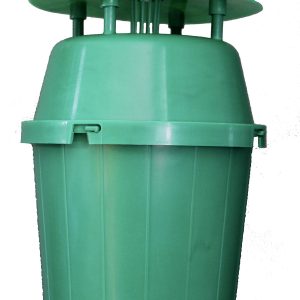
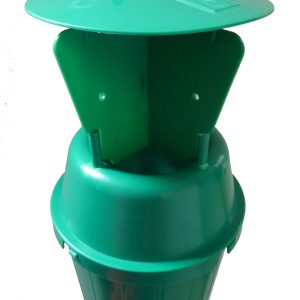
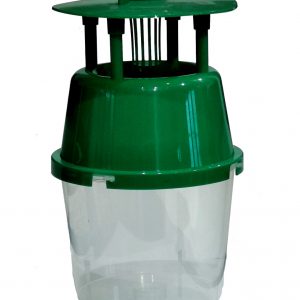
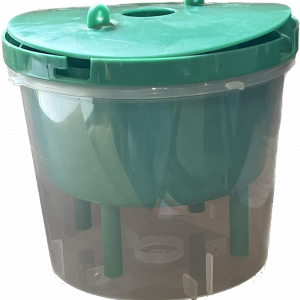
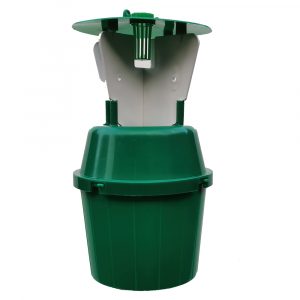
The Sentomol Raspberry Beetle Monitoring Trap consists of a Green Funnel Trap adapted with tall white cross vane attachments. The attractant sachet can be placed on the vanes or under the lid using the sticky tab provided. The Funnel Trap is designed so that insects are attracted by both the white colour of the cross vanes (simulating a giant raspberry flower),
and the chemical parapheromone dispenser. Beetles fly into the cross vanes and fall into the funnel shaped catchment area down into the bucket below, from where they can be regularly collected, counted and disposed.
£20.00
Description
Pest Status and Damage
The Raspberry Beetle is a serious pest of Raspberries (field and tunnel grown) and other similar fruits such as Loganberry and Blackberry. The adult females are attracted by the colour and smell of the host plant’s flowers. They feed, then lay eggs on their preferred hosts. The larvae feed on ripening fruits but can also damage buds and shoot tips. They burrow into the fruit berries to feed on the plug and often go undetected until the fruit is harvested. Sometimes localised areas of attacked berries become shrivelled, hard or distorted as a result of the larval feeding.
Adult beetles can cause damage early in the season by feeding on blossoms, buds or new leaves of host plants. This rarely causes serious problems unless beetles occur in large numbers, when significant crop losses and poorly developed, malformed fruits may result.
There is usually one generation each year in field grown crops. Adults emerge in April to early June but can be earlier in tunnel covered crops. With warm weather (above 13°C) the beetles mate from early June and in June/July. The eggs are laid in flowers. The local climate and cultivation method can affect emergence times and duration of attack.
Trapping
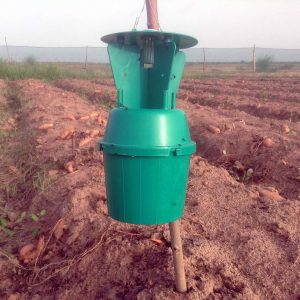
Raspberry Beetle Monitoring Traps should be placed in the field before the first beetles appear: typically, 4 to 6 weeks before first flower appears and the traps maintained until at least the end of the flowering period. This is normally between April and July but flowering can be longer in protected cropping systems or with autumn fruiting varieties. Where the crop has an extended flowering and fruiting season, it is beneficial to continue to trap beetles during the fruiting period. The exact time of insect emergence will vary with location and season.
The Monitoring Kit
The Sentomol Raspberry Beetle Monitoring Trap consists of a Green Funnel Trap adapted with tall white cross vane attachments. The attractant sachet can be placed on the vanes or under the lid using the sticky tab provided. The Funnel Trap is designed so that insects are
attracted by both the white colour of the cross vanes (simulating a giant raspberry flower), and the chemical parapheromone dispenser. Beetles fly into the cross vanes and fall into the funnel shaped catchment area down into the bucket below, from where they can be regularly collected, counted and disposed.
Assembly
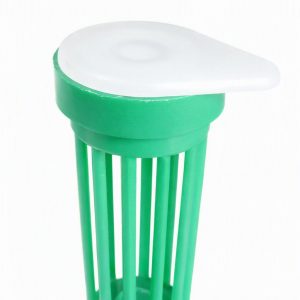
If bees are likely to be caught accidentally, place the mesh bee excluder between the lugs of the funnel section so that it sits over the funnel entrance. Securely clip the two cross vane members onto the lugs on the funnel base. The lid is then fitted and the funnel section locked onto the bucket. Open the pheromone foil sachet and remove the inner sachet. DO NOT OPEN THE INNER SACHET. The outer layer surrounding the dispenser is part of the controlled release mechanism that ensures the pheromone lasts for the required number of weeks. Attach the sticky pad to the lure and place on trap vane or under lid.
Related products