Clothes moths can be difficult to spot. Unlike many household pests, the adult moths are small, often hide in dark places and may rarely be seen flying around your home.
In many cases, the first sign of a clothes moth problem is not seeing a moth at all. Instead, you may notice small holes or damage appearing in clothes, carpets, rugs or other natural fabrics.
So, how do you know if you have clothes moths?
Look for these signs:
1. Small holes in clothing
One of the most obvious signs is unexplained damage to clothing.
Clothes moth larvae feed on natural animal fibres, particularly materials containing keratin. This includes:
- Wool
- Cashmere
- Silk
- Fur
- Feathers
- Leather
- Carpets and rugs made from natural fibres
You may notice small holes in jumpers, coats, suits, scarves or other items that have been stored for some time.
The damage is often irregular rather than perfectly round.
2. Damage to carpets and rugs
Clothes moths don’t just attack clothing.
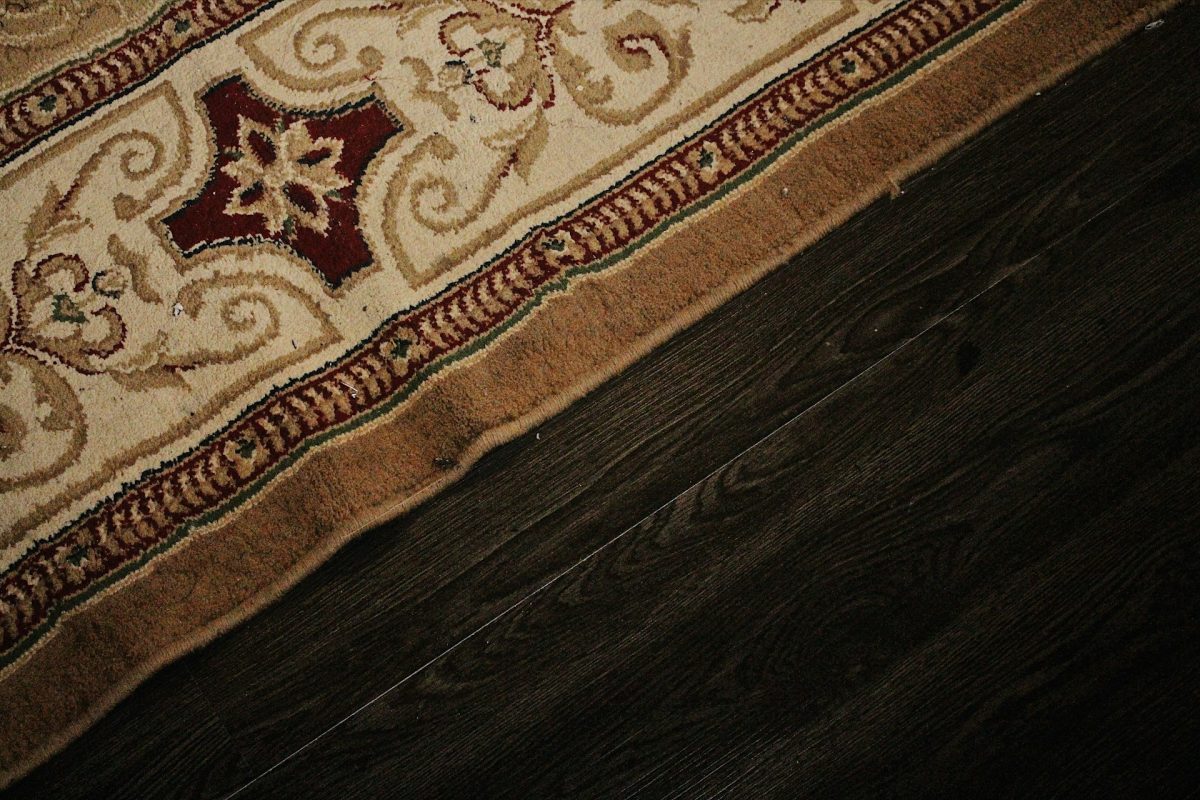
Carpets and rugs containing wool or other natural fibres can also be affected. Pay particular attention to areas that are dark, quiet and rarely disturbed, such as underneath furniture, around the edges of carpets and underneath rugs.
You may notice thinning areas, bare patches or small holes.
3. Finding small larvae or cases
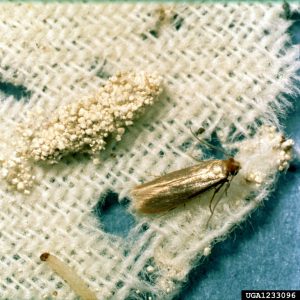
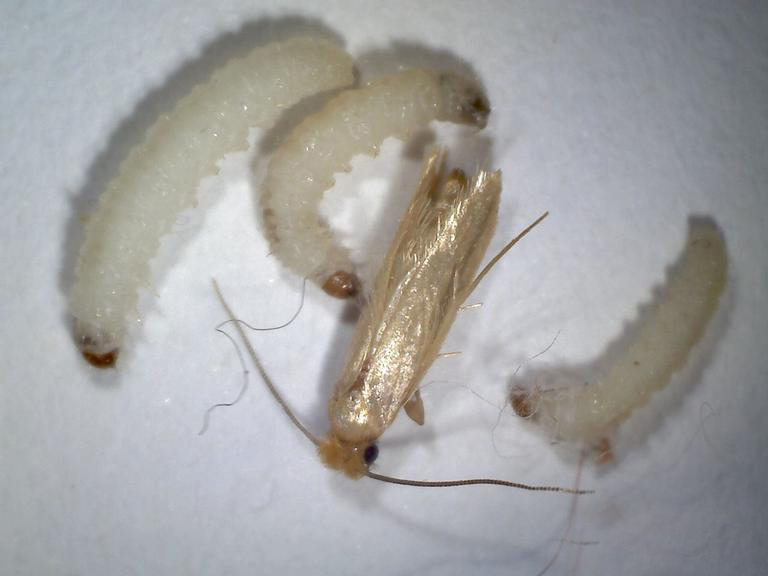
The clothes moth larva is responsible for the damage — not the adult moth.
Clothes moth larvae are small, pale caterpillar-like insects. They can be difficult to spot because they often stay hidden among clothing, carpets and other fabrics.
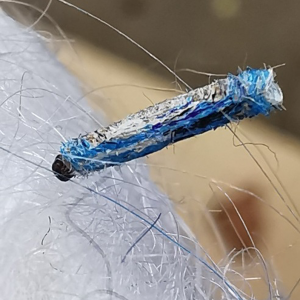
Depending on the species, you may also find silk webbing, cases or small particles around damaged material.
4. Seeing adult clothes moths
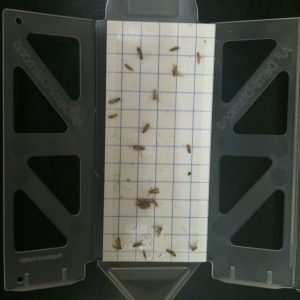
Finding a small moth around your home can be a warning sign, particularly if you repeatedly see them around wardrobes, bedrooms or areas containing natural fabrics.
The common clothes moth (*Tineola bisselliella*) is small and typically straw-coloured or golden in appearance.
However, seeing a moth does not automatically mean that you have clothes moths. Many harmless moth species can enter homes, so identification is important.
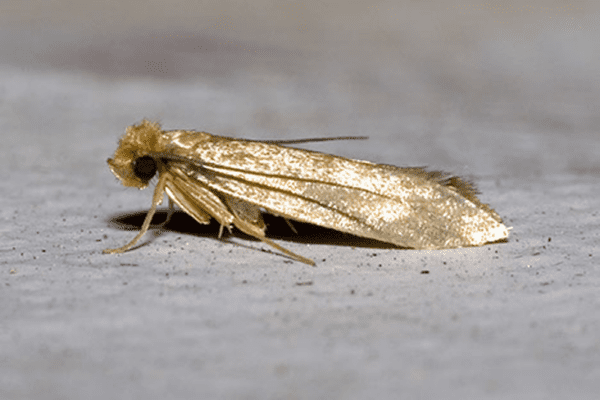
Clothes Moth or Pantry Moth?
One common source of confusion is the difference between clothes moths and pantry moths.
Pantry moths are usually associated with stored food such as cereals, flour, nuts and dried foods.
Clothes moths, on the other hand, are associated with natural fibres and textiles.
If you are finding moths around your kitchen cupboards, check your food supplies. If you are finding damage to woollen clothing, carpets or other natural fabrics, clothes moths may be the cause.
Think You Have Clothes Moths?
If you have noticed unexplained holes in your clothing or damage to carpets and other natural fabrics, don’t ignore it.
The sooner you identify clothes moth activity, the sooner you can investigate the source and take appropriate control measures.
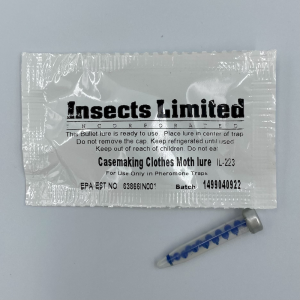
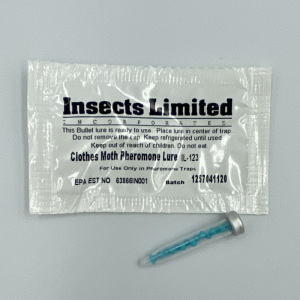
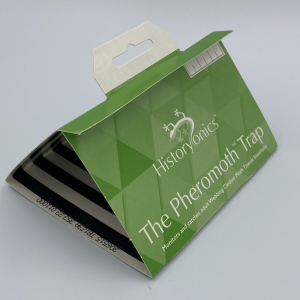
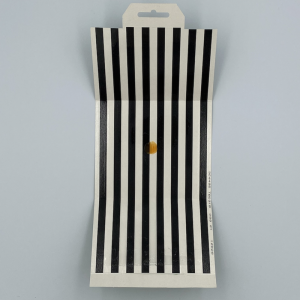
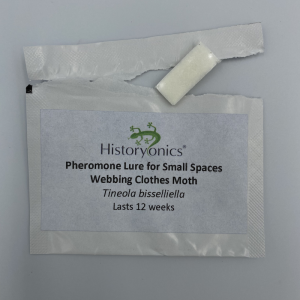
Sentomol provides specialist pheromone lures and monitoring products designed to help detect clothes moth activity.
Browse our clothes moth monitoring products to help identify whether clothes moths are active in your home, business or collection.
And as always, if you have any questions, simply get in touch with us and we can give you advice based on our experience.
Here are some products that may interest you