FLY MANAGEMENT
Effective fly management is about more than simply killing adult flies.
A successful control programme identifies where flies are coming from, how they are entering a building and where they are breeding, then combines monitoring, prevention and targeted treatment.
Fly control is particularly important in food businesses, commercial premises, agricultural environments, museums, historic buildings, warehouses and other areas where hygiene and pest prevention are essential.
Common Fly Pests
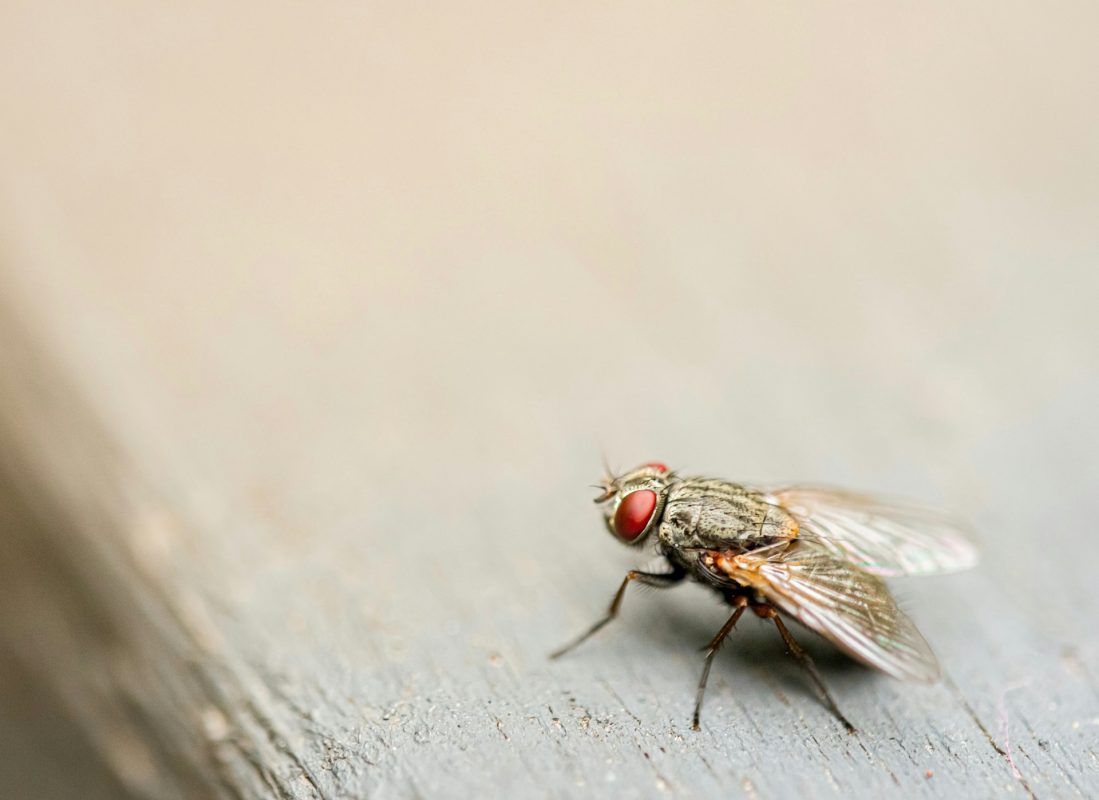
Different fly species behave differently, so correct identification is an important first step.
Common pest flies include:
- House flies
- Blow flies
- Bluebottles
- Greenbottles
- Cluster flies
- Fruit flies
- Drain flies
- Lesser house flies
Understanding the species helps determine the most appropriate monitoring and control strategy.
Fly Traps & Monitoring
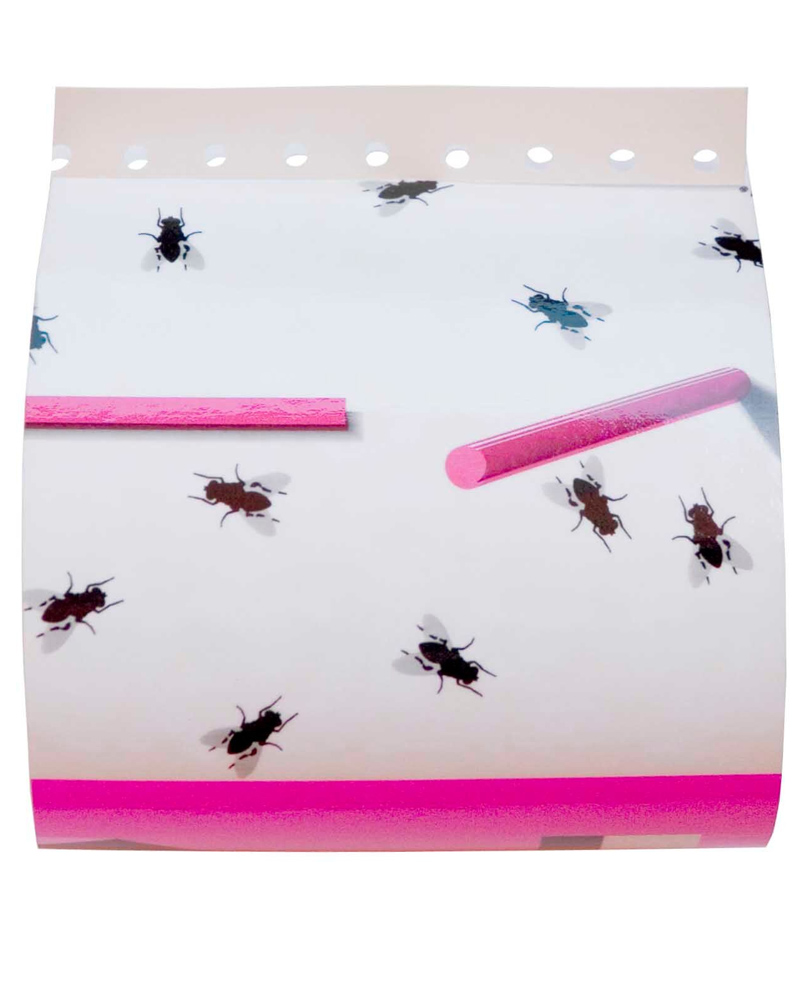
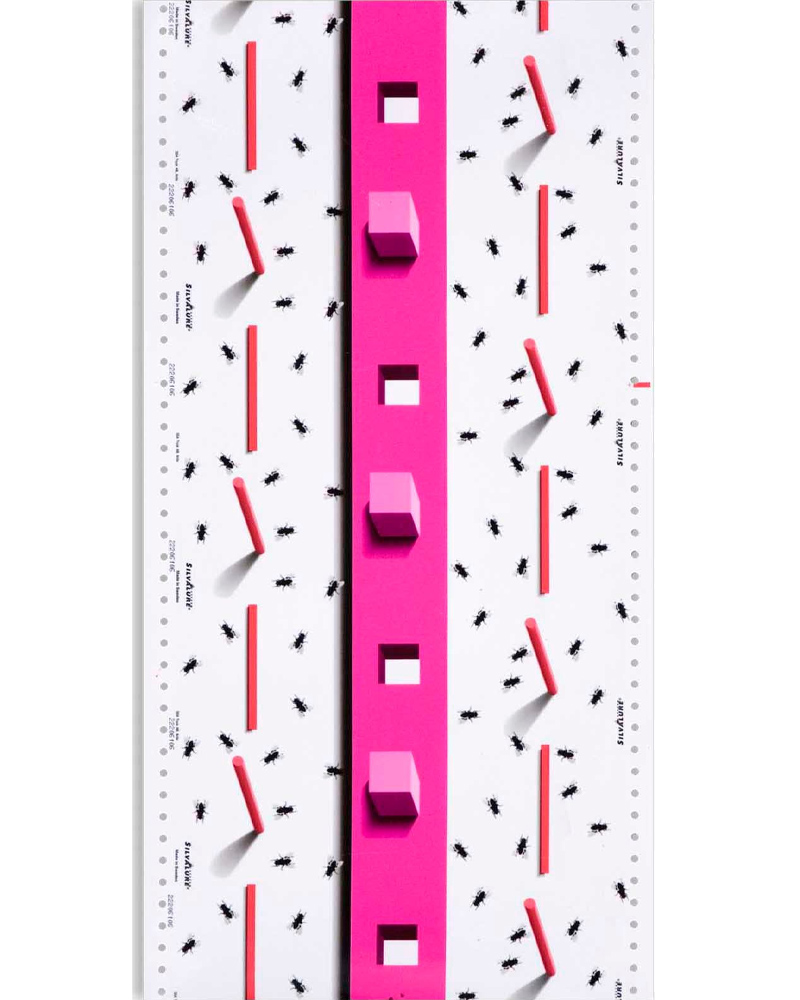
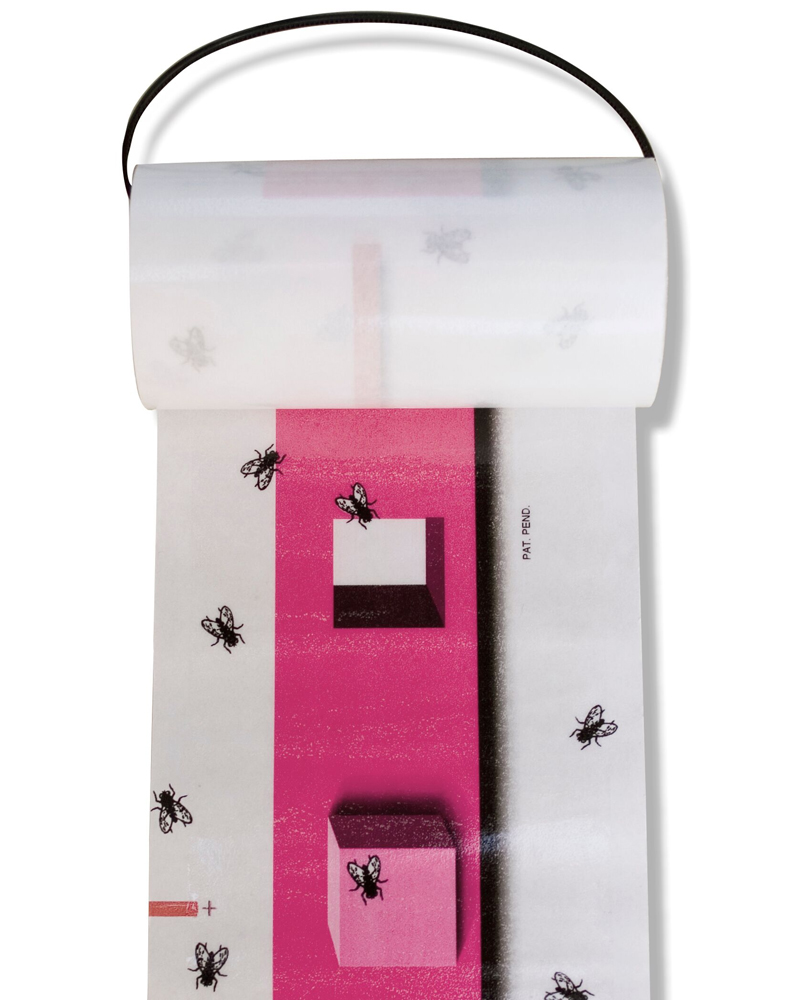
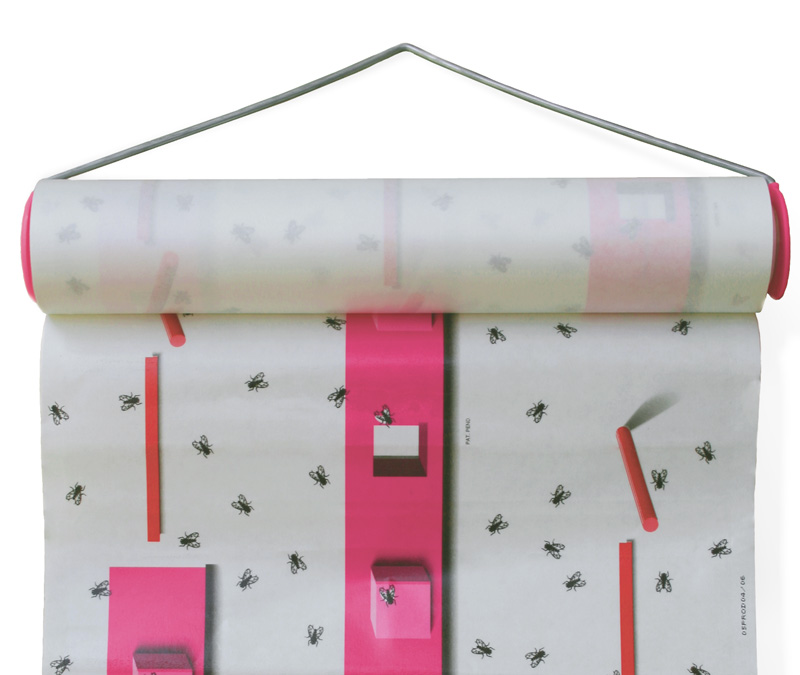
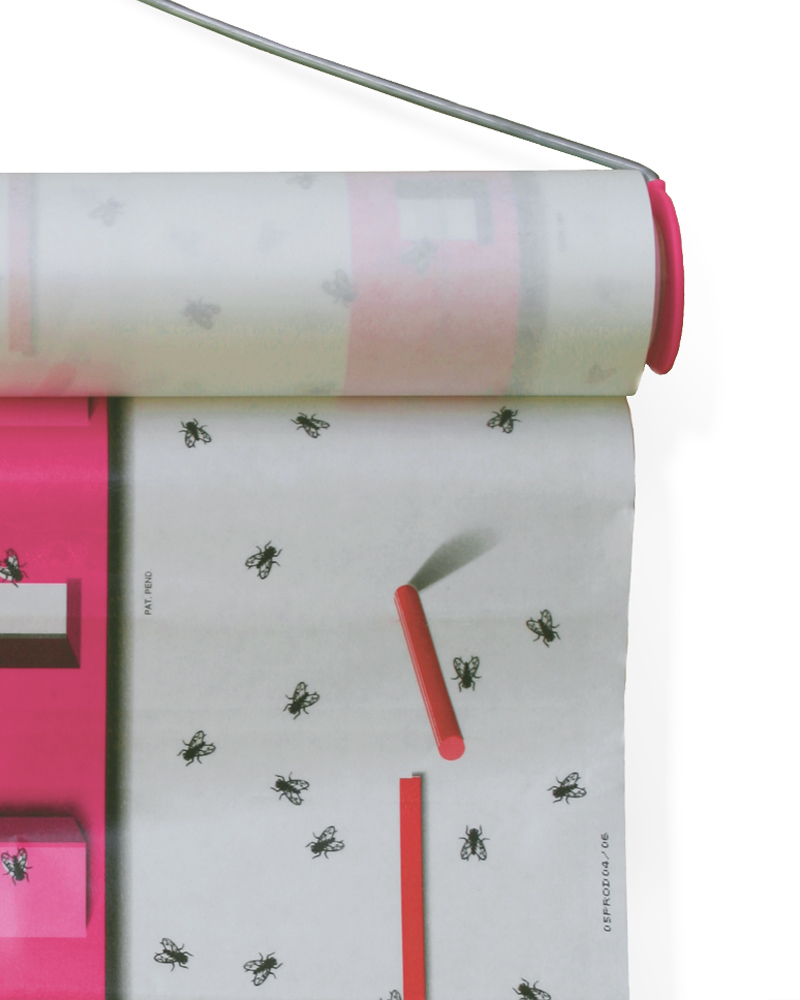
Fly traps provide an effective way to monitor activity and identify problem areas.
Monitoring can help establish:
- Which fly species are present
- Where flies are entering the building
- Areas with particularly high activity
- Whether a treatment programme is working
- Whether fly numbers are increasing or declining
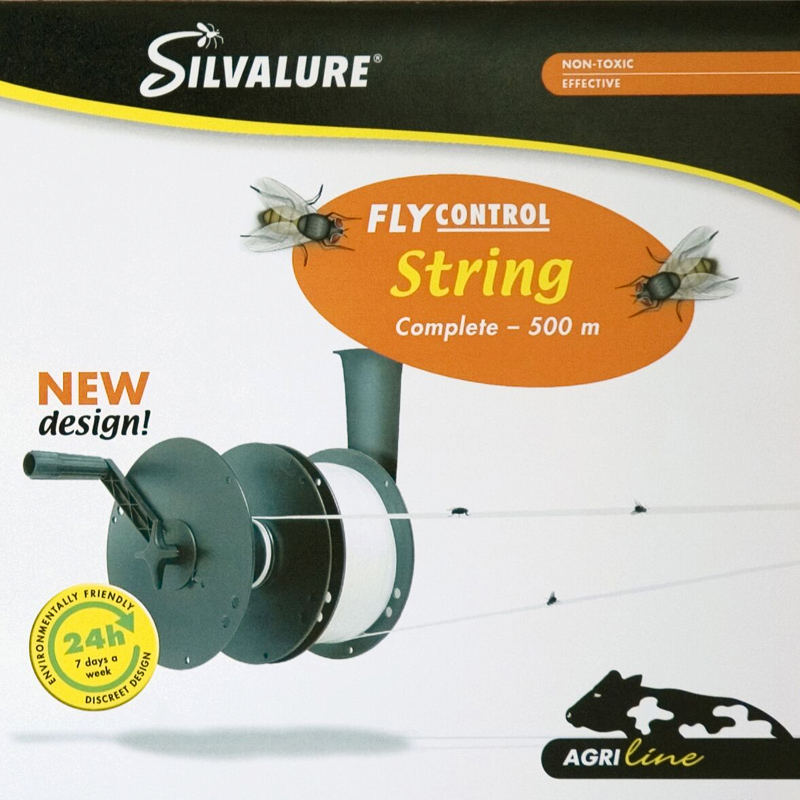
UV fly killers and monitoring traps can be particularly useful in commercial and public areas, while specialist attractant traps can provide targeted monitoring for particular fly species.
Fly Lures & Attractants
Specialist fly lures can be used to attract adult flies into traps, providing an effective way of reducing populations and monitoring activity.
Different attractants are suited to different species, so selecting the correct lure is important. Some products use food-based attractants, while others use species-specific chemical attractants.
Used correctly, attractant traps can help reduce adult fly numbers without requiring widespread insecticide application.
Effective, Targeted Fly Control
The most effective fly management programmes combine good hygiene, exclusion, monitoring and targeted treatment.
Rather than simply reacting to visible flies, regular monitoring allows problems to be identified early and control measures to be focused exactly where they are needed.
This provides a more sustainable approach to managing flies while helping to maintain clean, hygienic and pest-free environments.
Integrated Fly Management
A comprehensive fly management programme follows a simple principle:
Identify → Monitor → Find the Source → Remove the Source → Treat → Monitor Again
This approach helps prevent repeated infestations and reduces reliance on routine chemical treatment.
- Identify – Determine which species of fly is present.
- Monitor – Use suitable traps and attractants to establish the level and location of activity.
- Investigate – Search for breeding sites and potential entry points.
- Remove – Eliminate food sources, waste and other conditions supporting fly development.
- Treat – Use appropriate traps, insecticides or other control measures where necessary.
- Review – Continue monitoring to confirm that fly activity is declining.
Recommended Products