
Carpet beetles can be difficult to spot because the adult beetles are small, while the larvae often remain hidden in carpets, furniture, clothing and other areas containing natural materials.
If you have noticed small holes or unexplained damage to carpets, clothing or other fabrics, you may have a carpet beetle infestation.
Carpet beetles can cause significant damage if they are left undetected, particularly when their larvae have access to natural fibres, animal products and other suitable materials.
What Are Carpet Beetles?
Carpet beetles are small beetles belonging to the family Dermestidae. Several species can be found in homes, including the varied carpet beetle and other related species.
Adult carpet beetles are generally small and rounded, while the larvae are covered in fine hairs and are sometimes described as looking like small, hairy caterpillars.
It is the larvae that are responsible for most of the damage inside homes.
How Do I Know If I Have Carpet Beetles?
One of the first signs of carpet beetles is unexplained damage to fabrics or other materials containing natural fibres.
Look for:
- Small holes in carpets or rugs
- Damage to woollen clothing
- Damage to upholstery and furniture
- Small hairy larvae
- Shed larval skins
- Small beetles around windows
- Damage in dark, undisturbed areas
- Thin or bare patches developing in carpets
Carpet beetle larvae can be difficult to find because they often hide underneath furniture, around the edges of carpets, inside cupboards and in other quiet areas.
Shed larval skins can sometimes be easier to find than the larvae themselves and can be a useful indication that carpet beetles are present.
What Do Carpet Beetles Eat?
Carpet beetle larvae can feed on a wide range of natural materials.
They are particularly associated with materials containing keratin and other animal-derived fibres.
Check areas containing:
- Wool
- Fur
- Feathers
- Silk
- Natural-fibre carpets
- Rugs
- Upholstery
- Animal hair and debris
- Natural-fibre clothing
Carpet beetles can also be found around accumulated dust, dead insects, pet hair and other organic material that can provide a food source for the larvae.
Where Do Carpet Beetles Come From?
Adult carpet beetles can enter homes through open windows, doors and other openings. They may also be brought inside on flowers, plants, clothing or other items.
Adult beetles are often attracted to light and may be noticed around windows.
Once inside, they can lay eggs in suitable areas where the larvae have access to food.
Dark, quiet and undisturbed areas can provide particularly suitable conditions for carpet beetle larvae.
This means an infestation can develop without being noticed until damage becomes visible.
How Do I Get Rid of Carpet Beetles?
The first step in getting rid of carpet beetles is to find where the larvae are living and feeding.
Inspect carpets, rugs, furniture, wardrobes and other areas containing natural fibres.
Pay particular attention to areas underneath furniture, along carpet edges, underneath rugs and inside dark cupboards.
Thorough vacuuming is an important part of dealing with carpet beetles. Vacuum carpets, floors, furniture and other areas where larvae, eggs or shed skins may be present.
Dispose of the vacuum contents carefully afterwards.
Clean Areas Where Carpet Beetles May Be Hiding
Carpet beetle larvae often thrive in areas that are rarely disturbed or cleaned.
Move furniture where possible and vacuum underneath and around it thoroughly.
Pay particular attention to carpet edges, skirting boards, gaps, cracks and areas underneath wardrobes and other furniture.
Wash or clean affected clothing and textiles where appropriate, following the care instructions for each item.
Removing accumulated dust, hair and other organic material can also help eliminate potential food sources for the larvae.
Use Carpet Beetle Monitoring Traps
Monitoring can be useful when trying to establish whether carpet beetles are active in a property.
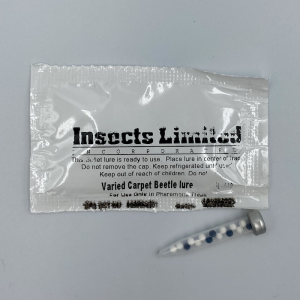
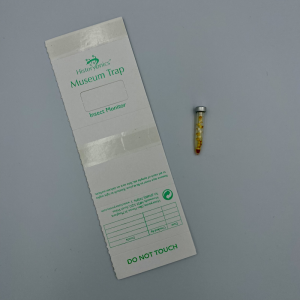
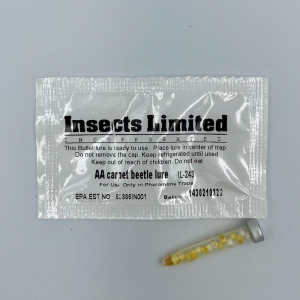
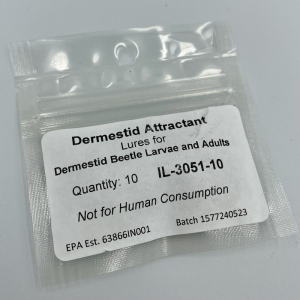
Specialist pheromone monitoring products can help detect adult beetle activity and provide useful information about where carpet beetles may be present.
Monitoring is particularly useful because the larvae can remain hidden for long periods and may be difficult to find during a normal inspection.
A trap can help identify adult activity, but it should form part of a wider approach to dealing with an infestation rather than being relied upon as the only control method.
Make sure you use a monitoring lure specifically designed for the carpet beetle species you are trying to detect.
How Can I Prevent Carpet Beetles Coming Back?
Good cleaning and regular inspection can help reduce the conditions that allow carpet beetles to establish themselves.
- Vacuum carpets and floors regularly
- Clean underneath furniture
- Pay attention to carpet edges and corners
- Wash or clean natural-fibre clothing regularly
- Store valuable textiles carefully
- Remove accumulated pet hair and debris
- Check stored clothing and fabrics periodically
- Keep an eye out for larvae and shed skins
- Use monitoring traps where appropriate
Regular inspection is particularly important in rooms containing wool carpets, rugs, upholstered furniture or other natural materials.
Why Do I Keep Finding Carpet Beetles?
If you continue to find carpet beetles after cleaning, there may still be a source of infestation somewhere in the property.
Check areas that are easily overlooked, including underneath furniture, inside wardrobes, around carpet edges and beneath rugs.
Also check for accumulations of pet hair, dead insects, feathers and other organic material that may provide food for the larvae.
Remember that adult carpet beetles may be found in one area while the larvae are developing somewhere else.
This is why finding the source is often more important than simply removing the adult beetles that you can see.
Don’t Ignore Carpet Beetle Damage
Small areas of damage can become more extensive if carpet beetle larvae remain undetected.
If you notice unexplained holes in carpets, rugs, clothing or other natural-fibre materials, inspect the surrounding area carefully for larvae and shed skins.
Finding the problem early can make it much easier to identify the source and take appropriate action.
Need Help With Carpet Beetles?
If you’re finding small beetles, larvae or unexplained damage to carpets and textiles, identifying the pest is the first step towards dealing with the problem.
Sentomol provides specialist pheromone lures and monitoring products designed to help detect pest activity.
And as always, if you have any questions, simply get in touch with us and we can give you advice based on our experience.
Here are some products that may interest you




“`