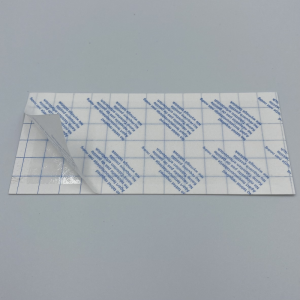
Finding moths in your home can be frustrating, particularly when you’re not sure what type of moth you are dealing with.
Not all household moths cause the same problems. Clothes moths can damage clothing, carpets and other natural-fibre materials, while pantry moths infest stored food.
Knowing the difference is important because the best way to deal with each type of moth is different.
What Is the Difference Between Clothes Moths and Pantry Moths?
The easiest way to tell them apart is to look at where you find them and what is being damaged.
Clothes Moth or Pantry Moth?
One common source of confusion is the difference between clothes moths and pantry moths.
Pantry moths are usually associated with stored food such as cereals, flour, nuts and dried foods.
Clothes moths, on the other hand, are associated with natural fibres and textiles.
If you are finding moths around your kitchen cupboards, check your food supplies. If you are finding damage to woollen clothing, carpets or other natural fabrics, clothes moths may be the cause.
| Clothes Moths | Pantry Moths |
|---|---|
| Found around clothing, carpets and textiles | Found around kitchens and food cupboards |
| Larvae feed on natural fibres | Larvae feed on stored food |
| Particularly attracted to wool, fur, feathers and silk | Commonly found in cereals, flour, rice, nuts and dried foods |
| Prefer dark, quiet areas | Often found around food storage areas |
| Can damage clothing and carpets | Can contaminate stored food |
How Do I Know If I Have Clothes Moths?
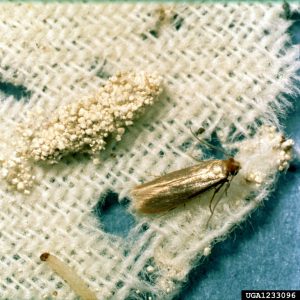
Clothes moths are most commonly associated with damage to natural fabrics.
Look for:
- Small holes in woollen clothing
- Damage to carpets and rugs
- Thinning patches in natural-fibre materials
- Larvae or shed skins
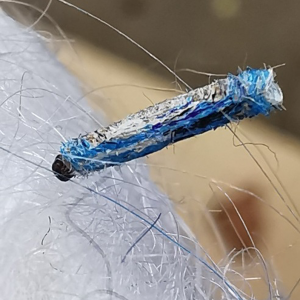
- Small cases or silk webbing
- Moths or moth activity around wardrobes and dark areas
The larvae are responsible for the damage, rather than the adult moths.
Clothes moths are particularly attracted to dark, undisturbed places, so check underneath furniture, inside wardrobes and around stored clothing.
How Do I Know If I Have Pantry Moths?
Pantry moths are associated with stored food rather than clothing.
You may notice moths flying around your kitchen, particularly in the evening or when cupboards are opened.
More importantly, inspect your stored food for signs of infestation.
Look for:
- Small caterpillar-like larvae
- Fine silk webbing inside food packaging
- Clumped or sticky food
- Small holes in packaging
- Larvae or pupae around cupboards
- Moths around food storage areas
Pantry moths can infest a surprisingly wide range of dry foods:
Flour, Rice, Pasta, Cereals, Nuts, Seeds, Dried fruit, Pet food, Bird seed, Spices, Baking ingredients.
What Should I Do If I Have Clothes Moths?
If you suspect clothes moths, start by finding out where they are active.
Inspect clothing, carpets, rugs and other materials containing natural fibres.
Vacuum wardrobes, floors, carpets and areas underneath furniture thoroughly. Wash or clean affected clothing where appropriate, following the care instructions for each item., Pay particular attention to clothing and textiles that have been stored for long periods.
Use a Clothes Moth Pheromone Trap
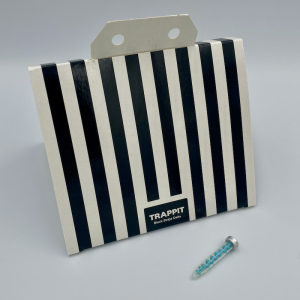
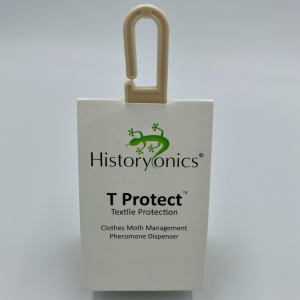
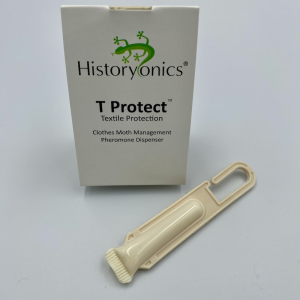
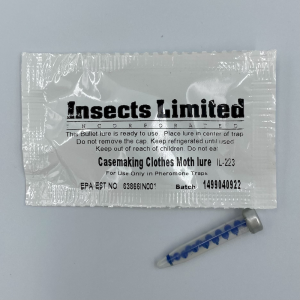
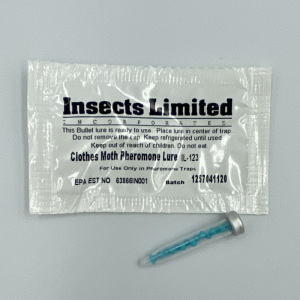
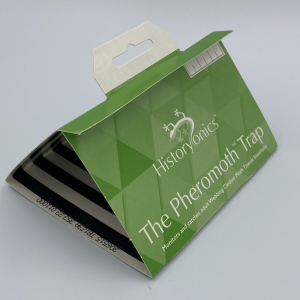
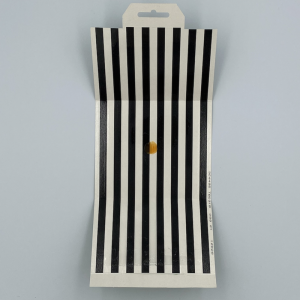
A pheromone monitoring trap can be useful for detecting adult clothes moth activity.
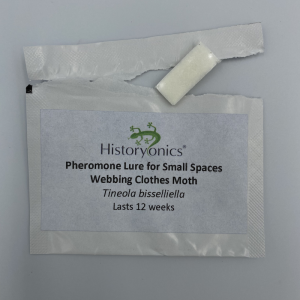
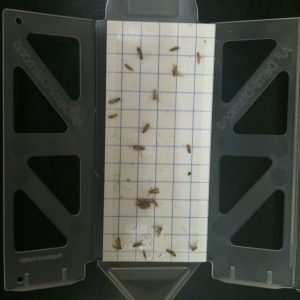
The trap contains a pheromone lure designed to attract male clothes moths. If moths are caught, this provides useful evidence that clothes moths are active in the area.
Monitoring can be particularly useful because clothes moths are often difficult to spot during a normal inspection.
However, pheromone traps are primarily a monitoring tool. They should form part of a wider approach to dealing with an infestation rather than being relied upon as the only control method.
What Should I Do If I Have Pantry Moths?
If you discover pantry moths, the first priority is to find the source.
Carefully inspect all susceptible dry food products in the affected cupboard or storage area.
If you find evidence of infestation, dispose of affected food in a sealed bag and remove it from the home.
Don’t simply remove the food where you found the moths and assume the problem is solved. Inspect surrounding products because pantry moth larvae can spread between food packages.
Thoroughly clean the affected cupboard, paying attention to cracks, corners and gaps where eggs, larvae or pupae may be hidden.
Pantry moths can spread through stored food and may eventually be found in several cupboards.
The adult moths may also be seen in other areas of the kitchen or home.
This is why it is important to inspect all susceptible food, rather than concentrating only on the cupboard where you first noticed a moth.
Need Help Identifying a Moth?
If you’re finding moths in your home but aren’t sure whether they are clothes moths or pantry moths, look at where you are finding them and check for the signs associated with each type.
Correct identification is the first step towards choosing the right monitoring and control method.
Explore Sentomol’s range of specialist moth pheromone lures and monitoring products to help detect moth activity.
And as always, if you have any questions, simply get in touch with us and we can give you advice based on our experience.
Here are some products that may interest you