SILVERFISH
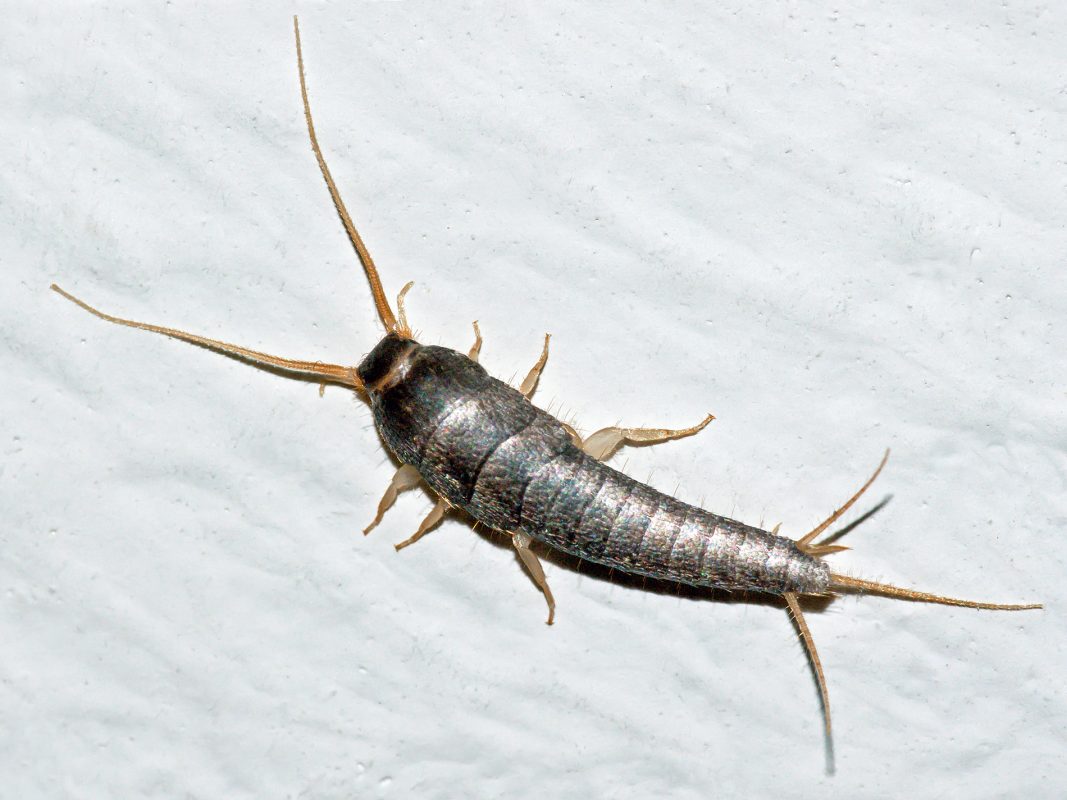
Silverfish are small, fast-moving insects that are commonly found in dark, damp and undisturbed areas.
Although they do not bite or sting, they can cause damage to books, paper, wallpaper, textiles and other materials.
Effective silverfish management combines monitoring, environmental control, good housekeeping and targeted treatment.
What Are Silverfish?
Silverfish are small, wingless insects with a distinctive silvery appearance and three tail-like appendages. They are predominantly nocturnal and can often remain hidden during the day.
They are attracted to areas with higher humidity and can be found in:
- Bathrooms
- Kitchens
- Basements
- Cellars
- Archives
- Libraries
- Storage areas
- Around pipes and drains
- Dark gaps and cracks
Silverfish feed on materials containing starches, cellulose and other carbohydrates, which can bring them into contact with books, paper, wallpaper, cardboard and some textiles.
Why Are Silverfish a Problem?
A small number of silverfish may go unnoticed, but established populations can cause damage over time.
Potentially vulnerable materials include:
- Books and manuscripts
- Paper and documents
- Wallpaper
- Cardboard
- Photographs
- Textiles
- Glue and book bindings
- Stored materials
In museums, libraries and archives, silverfish can therefore become an important collection pest.

Silverfish Traps
Monitoring traps provide a simple way to detect silverfish and establish where they are active.
Sticky monitoring traps can be placed in areas such as:
- Along skirting boards
- Under furniture
- Behind cupboards
- Near pipes
- In storage areas
- Beneath shelving
- Around suspected harbourage areas
Traps should be checked regularly and catches recorded. Using multiple traps can help identify areas where silverfish activity is concentrated.

Silverfish Traps
Monitoring traps provide a simple way to detect silverfish and establish where they are active.
Sticky monitoring traps can be placed in areas such as:
- Along skirting boards
- Under furniture
- Behind cupboards
- Near pipes
- In storage areas
- Beneath shelving
- Around suspected harbourage areas
Traps should be checked regularly and catches recorded. Using multiple traps can help identify areas where silverfish activity is concentratSilverfish and Integrated Pest Management
Silverfish control works best as part of an Integrated Pest Management (IPM) programme.
A typical approach is:
Monitor → Identify → Investigate → Improve Conditions → Treat → Monitor
Traps help establish whether silverfish are present and whether numbers are increasing or decreasing. Environmental improvements and housekeeping address the conditions that allow populations to thrive, while targeted treatment can be used where necessary.
Protecting Books, Archives & Collections
Silverfish can be particularly concerning in libraries, archives and museums because they may damage materials that are difficult or impossible to replace.
Regular monitoring allows activity to be detected before significant damage occurs.
Combining sticky monitoring traps, environmental monitoring, good housekeeping and targeted control provides an effective way to protect valuable collections while minimising unnecessary chemical treatment.
A Simple Silverfish Management Programme
- Monitor with strategically placed sticky traps.
- Identify areas with recurring activity.
- Investigate moisture sources and potential harbourage.
- Improve ventilation and environmental conditions where appropriate.
- Clean and remove clutter that could provide shelter or food.
- Treat affected areas where necessary.
- Continue monitoring to confirm that activity is declining.
With regular monitoring and appropriate preventative measures, silverfish populations can be detected early and managed before they become a significant problem.d.
Recommended Products