ROOM & TEXTILE TREATMENTS
Effective pest control often requires more than treating the insects you can see.
Moth and beetle larvae can remain hidden in carpets, wardrobes, furniture, textiles and other undisturbed areas, where they can continue to cause damage.
Room and textile treatments provide targeted protection for the places and materials most vulnerable to insect attack. Used alongside monitoring and good housekeeping, they form an important part of an Integrated Pest Management (IPM) programme.
Room Treatments
Room treatments are designed to deal with insect activity in areas where pests may be hiding, including:
- Around the edges of rooms
- Beneath carpets and rugs
- Under and behind furniture
- Inside wardrobes and cupboards
- Between floorboards and other gaps
- Dark, undisturbed areas where larvae may develop
- Storage and collection areas
For residual protection, a suitable surface treatment can be applied to areas where clothes moth and carpet beetle larvae are likely to be present. Constrain®, for example, is a water-based residual insecticide approved for indoor use and designed to control a range of crawling and flying insect pests.
Where insects are present in inaccessible areas or throughout an enclosed space, a suitable room fogger or total-release aerosol may provide an additional treatment option. These products work differently from residual surface treatments and should always be used according to their specific instructions.
Targeting Clothes Moths
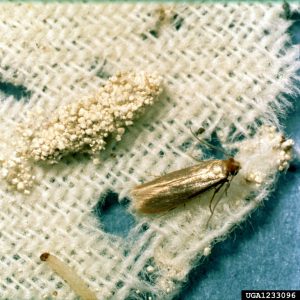
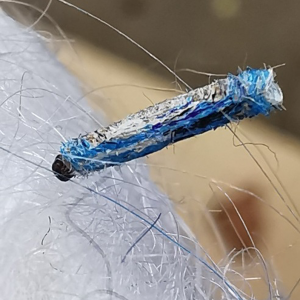
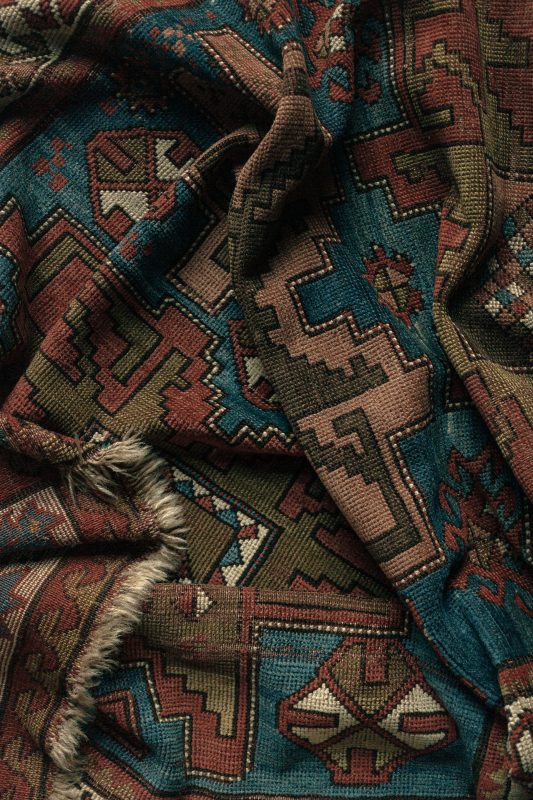
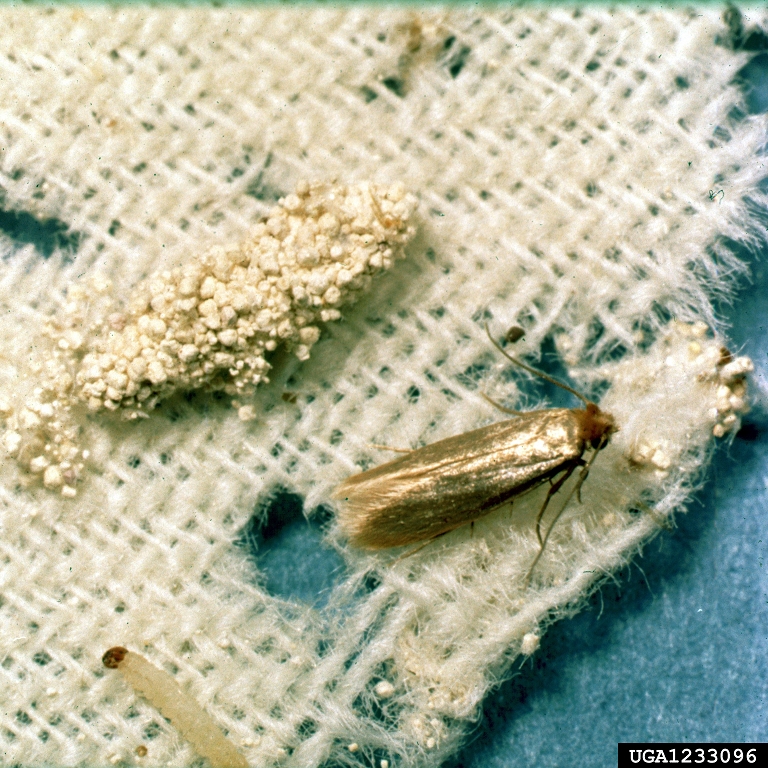
Clothes moth larvae are particularly damaging because they feed on keratin, a protein found in materials such as wool, fur, feathers and hair. This makes carpets, upholstery, clothing, historic textiles and natural-history specimens particularly vulnerable.
Treatment should therefore concentrate on areas where moth larvae are most likely to develop rather than simply targeting adult moths.
Regular vacuuming and cleaning are also important. Dust, fibres, hair and other organic material can provide food and harbourage for developing larvae.
Textile Protection
Textiles that remain undisturbed for long periods are particularly susceptible to clothes moth and carpet beetle attack.
Depending on the circumstances, protection can include:
- Regular inspection of stored textiles
- Thorough cleaning and vacuuming
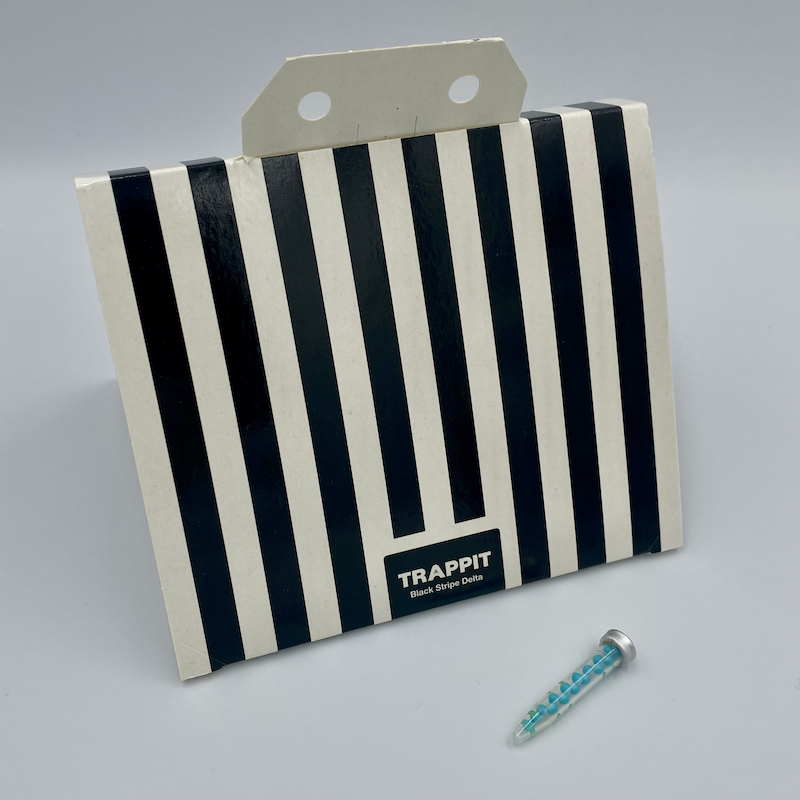
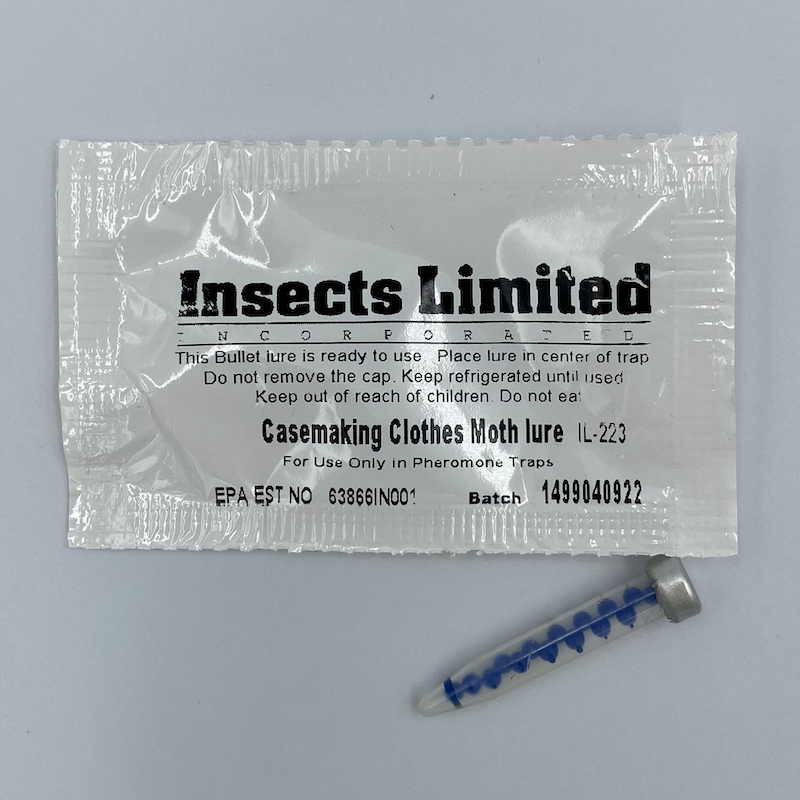
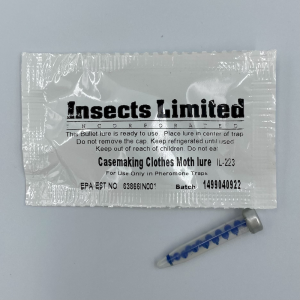
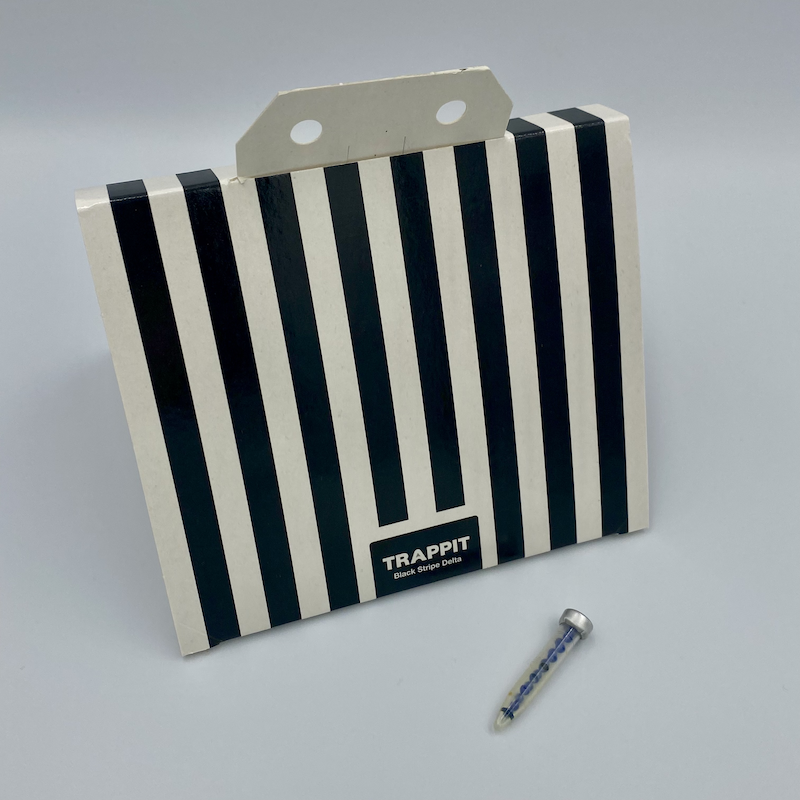
- Pheromone monitoring traps
- Biological control
- Residual treatment of suitable surrounding surfaces
- Protective insecticide products for enclosed storage
- Appropriate storage containers and bags
For enclosed spaces such as wardrobes, drawers and cabinets, specialist textile-protection products can provide longer-term protection. Some products use a volatile insecticide and are designed to provide protection for several months when used in an enclosed space.
Protecting Clothes and Stored Fabrics
Before returning clothing or textiles to treated storage areas, inspect them carefully for signs of infestation.
Particular attention should be paid to:
- Woollen clothing
- Fur and feathers
- Carpets and rugs
- Upholstery
- Blankets
- Stored fabrics
- Vintage and antique textiles
Where appropriate, clean or launder washable items before storage. Items that will remain unused for long periods should ideally be kept in suitable protective storage.
Keeping wardrobes and storage areas clean and regularly inspected can significantly reduce the opportunity for moth populations to become established.
Biological Textile Protection
For situations where chemical treatment is undesirable, biological control can provide an alternative approach.
Trichogramma evanescens are minute parasitoid wasps that attack moth eggs, preventing them from developing into the damaging larval stage. Commercial sachets can be positioned in wardrobes, drawers and around textiles where clothes moth activity has been identified.
This approach can be particularly useful for sensitive collections and valuable textiles where maintaining a low-chemical environment is important.
Combine Treatment with Monitoring
Room and textile treatments are most effective when combined with regular monitoring.
Monitor → Identify → Treat → Reassess
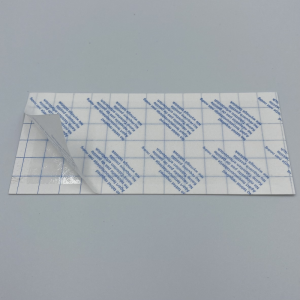
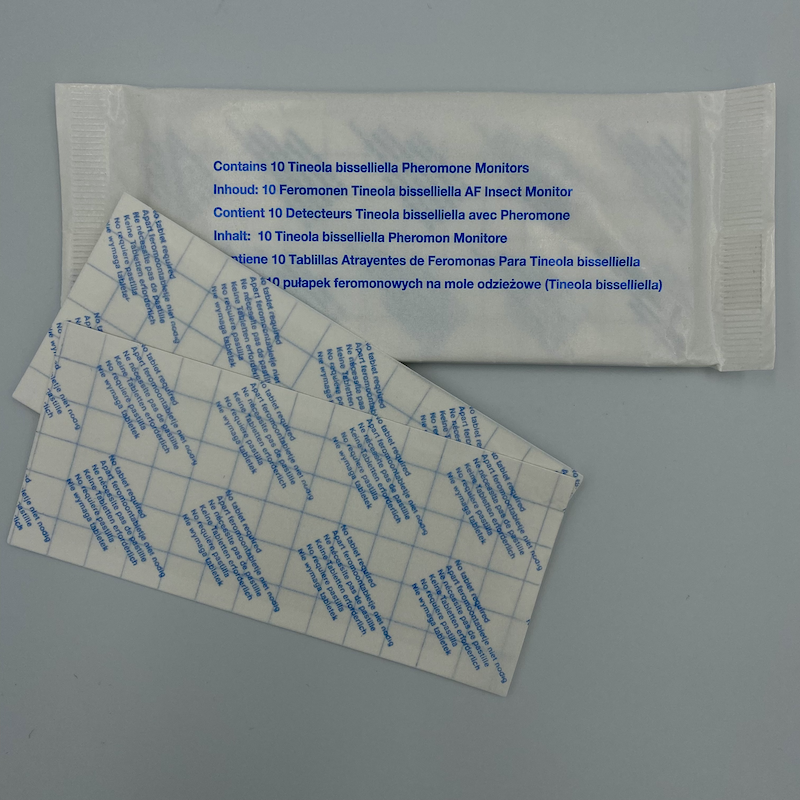
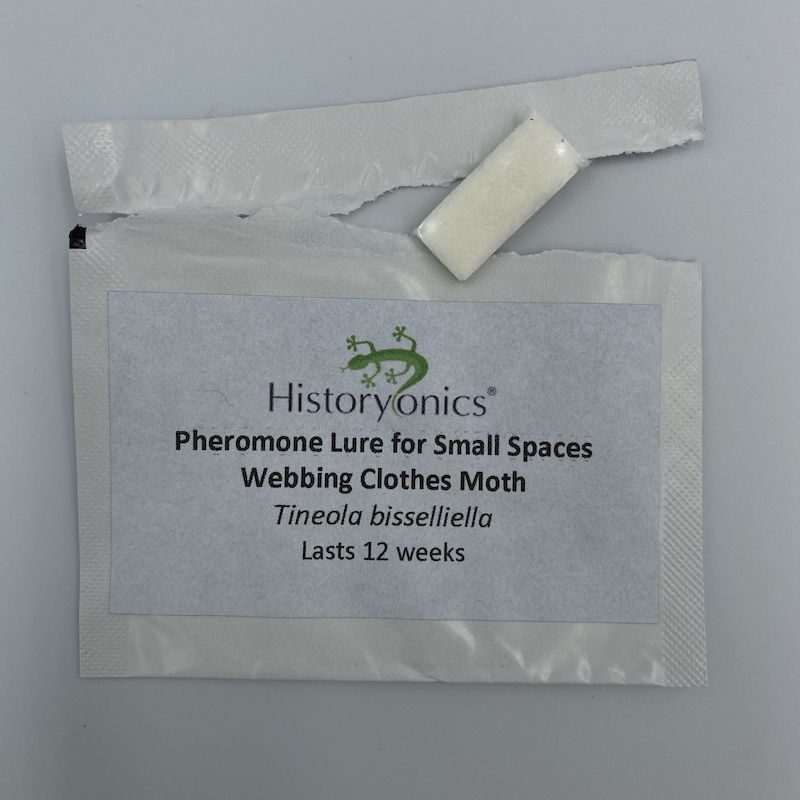
Pheromone traps can detect adult moth activity and help establish where a problem is located. Treatment can then be concentrated in the affected areas rather than applied unnecessarily throughout a building.
After treatment, continued monitoring helps determine whether pest numbers are declining and whether further action is required.
A Complete Approach to Pest Protection
The most effective protection comes from combining several complementary measures:
- Moth & Beetle Traps
Detect and monitor pest activity. - Room Treatments
Target insects and larvae in their hiding places. - Textile Protection
Protect vulnerable clothing, fabrics and stored materials. - Biological Control
Target moth eggs using natural parasitoids. - Good Housekeeping
Remove dust, fibres and potential food sources. - Regular Inspection
Identify problems before significant damage occurs.
Used together, these measures provide a practical and targeted approach to protecting homes, wardrobes, textiles, historic collections, museums, archives and other valuable materials from insect damage.
Always read the product label before use and follow all application, safety and ventilation instructions. For delicate, historic or irreplaceable materials, test treatments on an inconspicuous area where appropriate and seek specialist advice before application.