BEETLE TRAPS & LURES
Monitoring traps are an important part of an Integrated Pest Management (IPM) programme
This allows treatment to be targeted where there is evidence of pest activity rather than relying on unnecessary blanket treatment.
Beetle traps and species-specific lures provide an effective way to detect, monitor and assess beetle activity before an infestation develops into a serious problem.
They are particularly valuable for monitoring carpet beetles, dermestid beetles and other insect pests that can damage textiles, carpets, natural history specimens, furniture, stored materials and museum collections.
Why use beetle traps?
Many beetle infestations can remain hidden for a considerable time. The larvae are often responsible for the most significant damage, feeding in dark, undisturbed areas where they can be difficult to find by visual inspection.
Monitoring traps provide an early warning system, helping you:
- Detect beetle activity at an early stage
- Identify areas where beetles are active
- Monitor vulnerable rooms, collections and storage areas
- Assess the extent of an infestation
- Monitor changes in pest activity over time
- Assess whether pest management measures are proving effective
Sticky traps and beetle lures
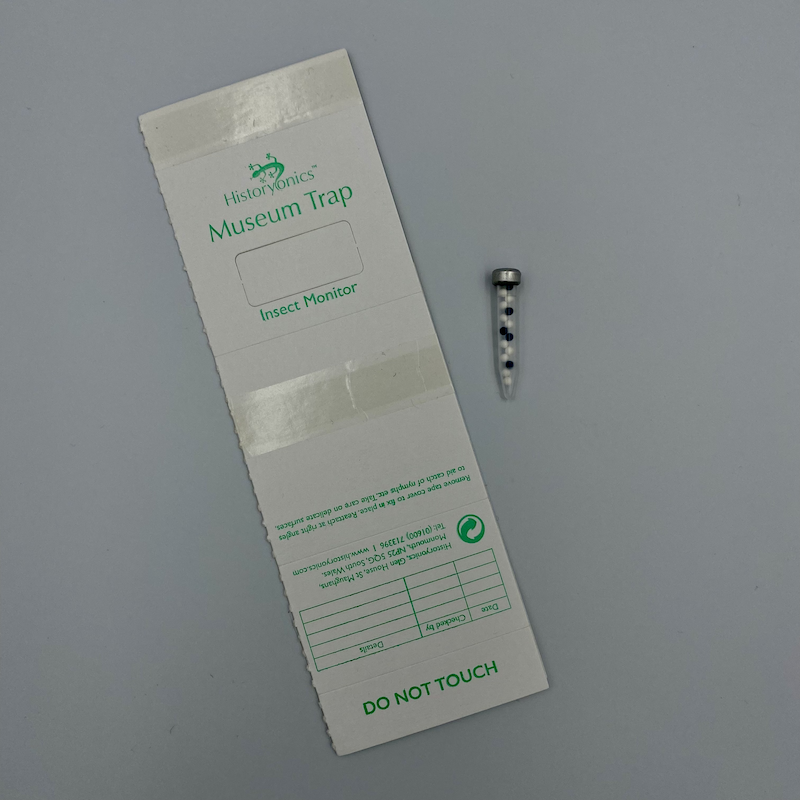
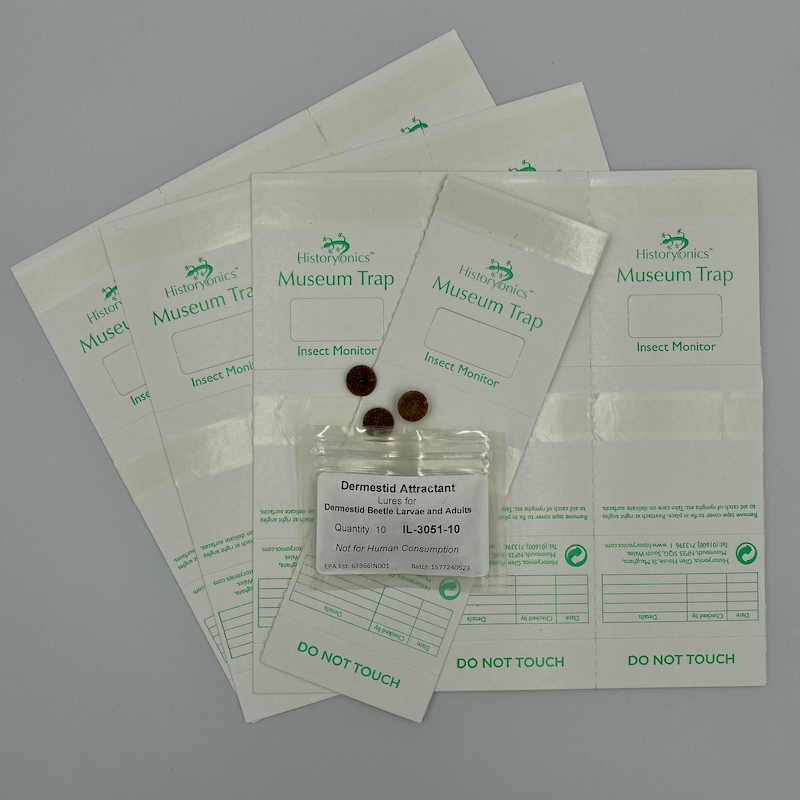
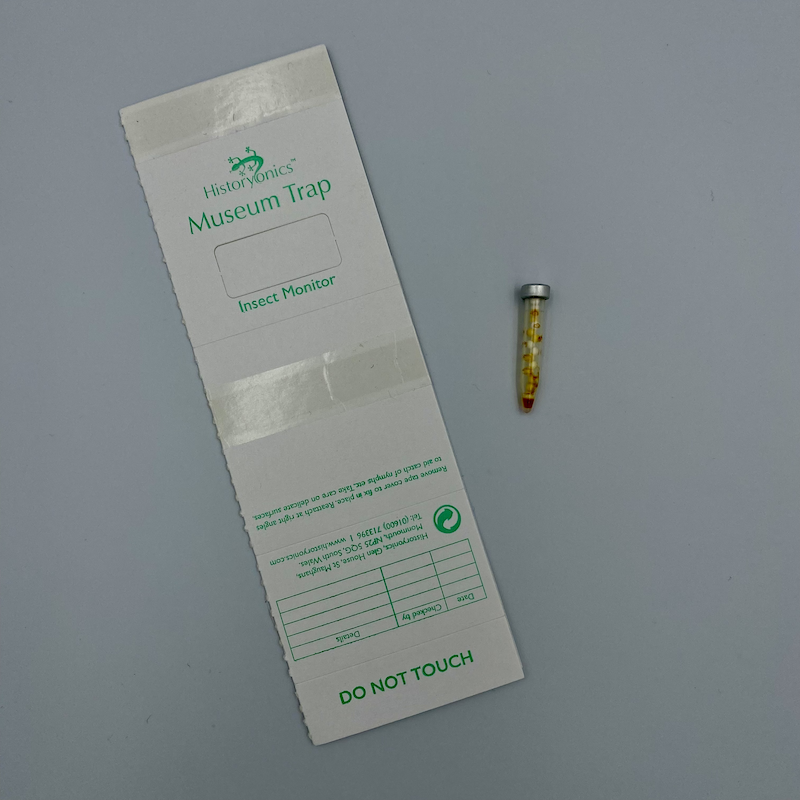
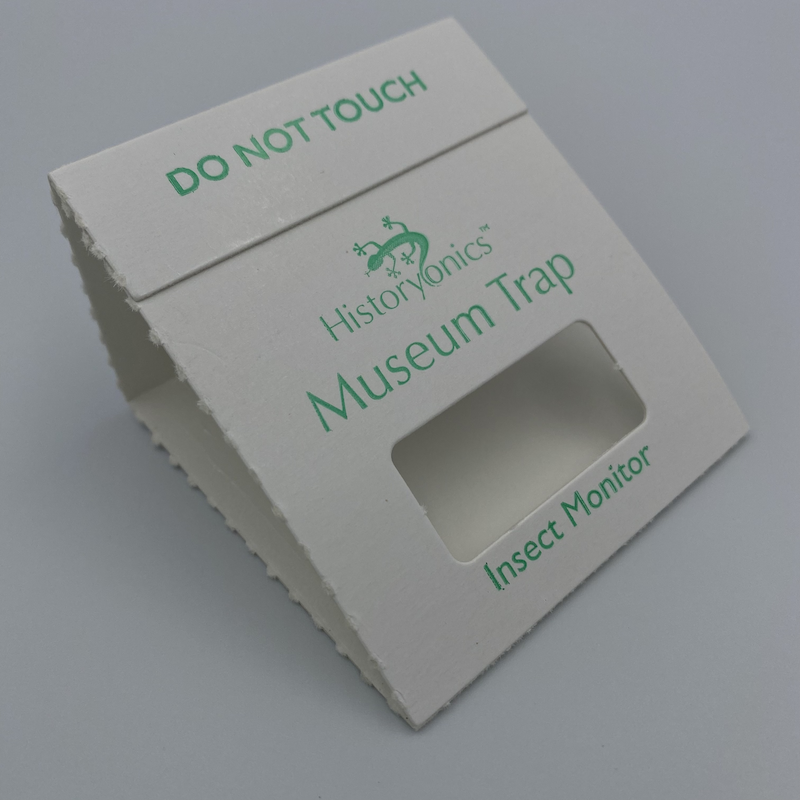
A standard blunder or sticky trap can be used to monitor a wide range of crawling insects, including carpet beetles, silverfish, booklice and other pests.
The trap provides a sticky surface that captures insects moving through the area. Some traps can also be combined with a species-specific pheromone or food attractant, increasing their effectiveness for particular beetle species.
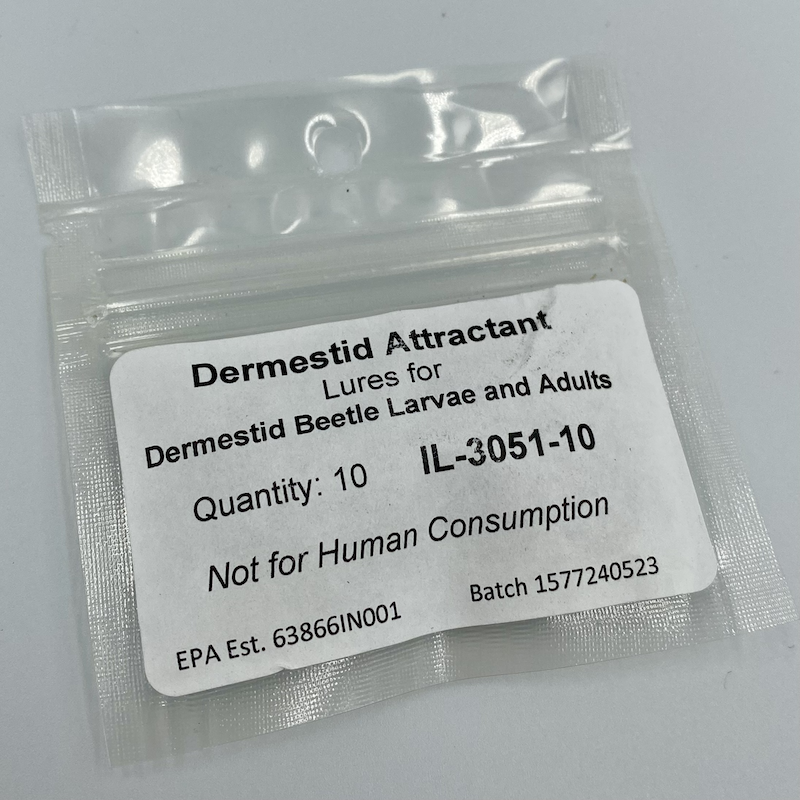
Pheromone lures are particularly useful because they are designed to attract specific species or groups of beetles. Correct identification is therefore important before selecting a lure.
Carpet beetle monitoring
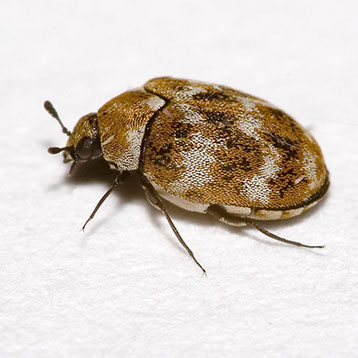
Carpet beetles are among the most important insect pests of textiles and natural materials. Their larvae can feed on materials containing keratin, including wool, fur, feathers and other animal-derived materials.
They can cause damage to:
- Carpets
- Woollen textiles
- Clothing
- Upholstery
- Natural history specimens
- Taxidermy
- Museum and archive collections
Because larvae can remain hidden in inaccessible areas, traps can help reveal an infestation that might otherwise go unnoticed.
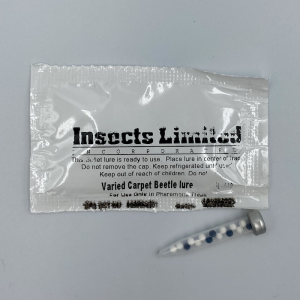
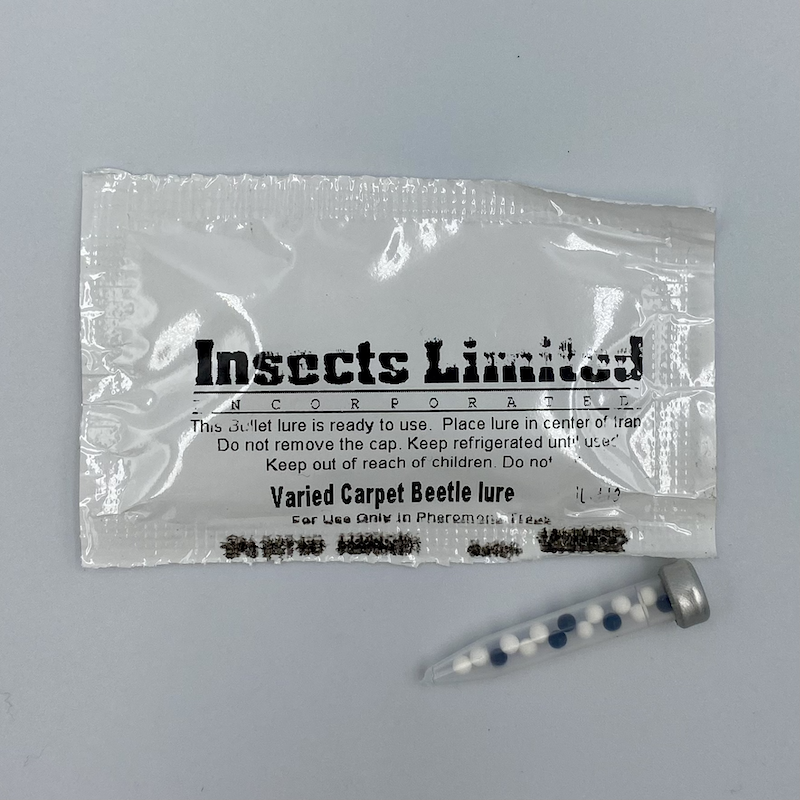
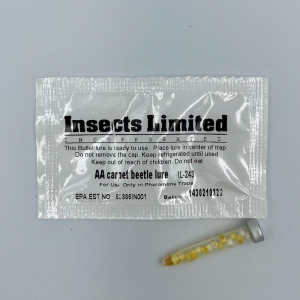
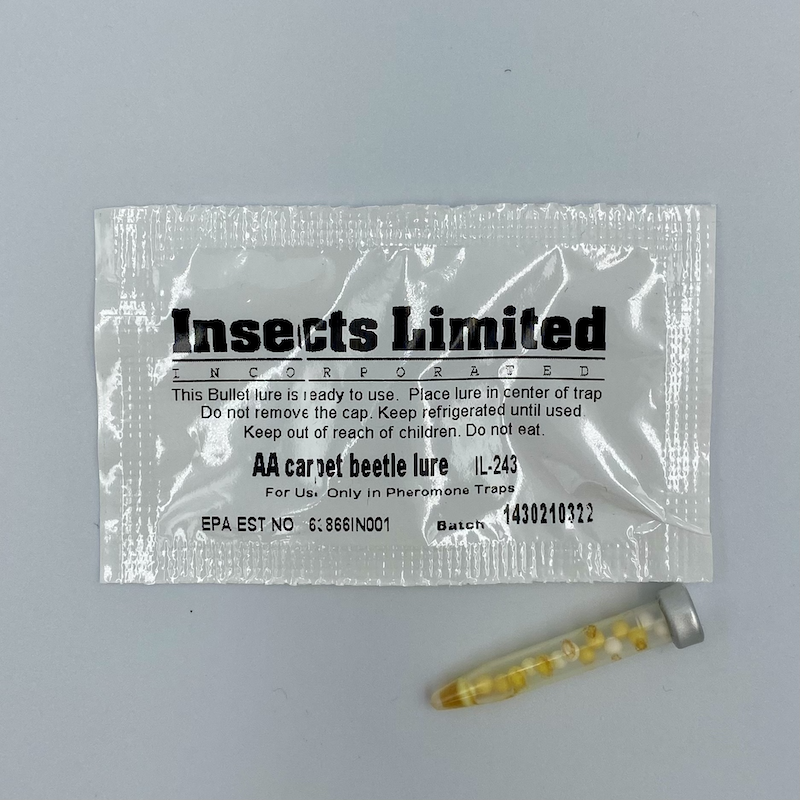
Pheromone lures for carpet beetles
Species-specific pheromone lures can be used with suitable sticky monitoring traps to attract adult male carpet beetles.
For example, pheromone lures are available for beetles belonging to the Anthrenus and Attagenus genera. Because pheromones are species-specific, identifying the beetle correctly is essential when choosing a lure.
Where identification is uncertain, non-specific sticky monitoring traps can provide useful information before selecting a specialist lure.
A complete monitoring approach
For effective beetle monitoring:
- Identify the beetle species where possible.
- Select an appropriate sticky trap and, where suitable, a species-specific lure.
- Position traps strategically in areas of potential activity.
- Inspect traps regularly and record the results.
- Replace pheromone lures according to their recommended service life.
- Investigate significant or increasing catches to locate the source.
- Take appropriate control measures where an established pest problem is identified.
Used as part of an Integrated Pest Management programme, beetle traps and lures provide a simple, targeted and highly valuable early-warning system for protecting buildings, collections and valuable materials from insect damage.