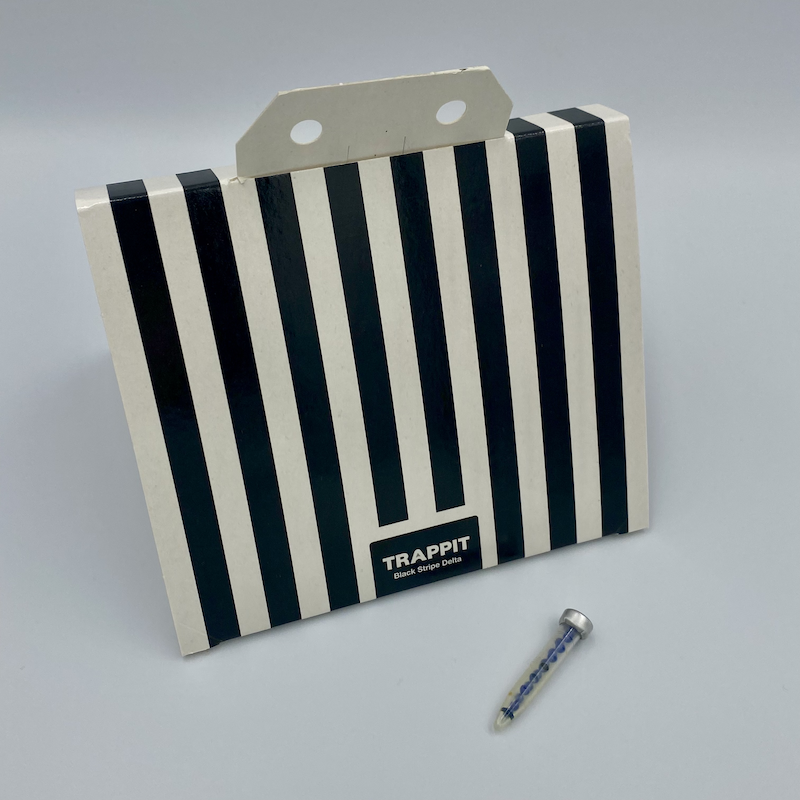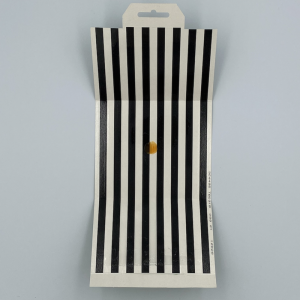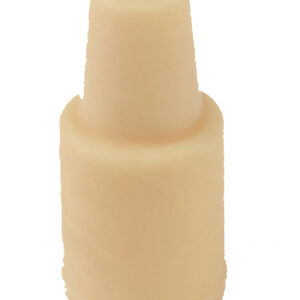
MOTH TRAPS & LURES
Moth Traps & Pheromone Lures
Moth traps and pheromone lures provide a simple and effective way to detect, monitor and assess moth activity before an infestation becomes established.
They are particularly useful for protecting clothing, carpets, textiles, upholstery, natural history specimens, museum collections and other materials that can be damaged by moth larvae.
How do moth traps work?
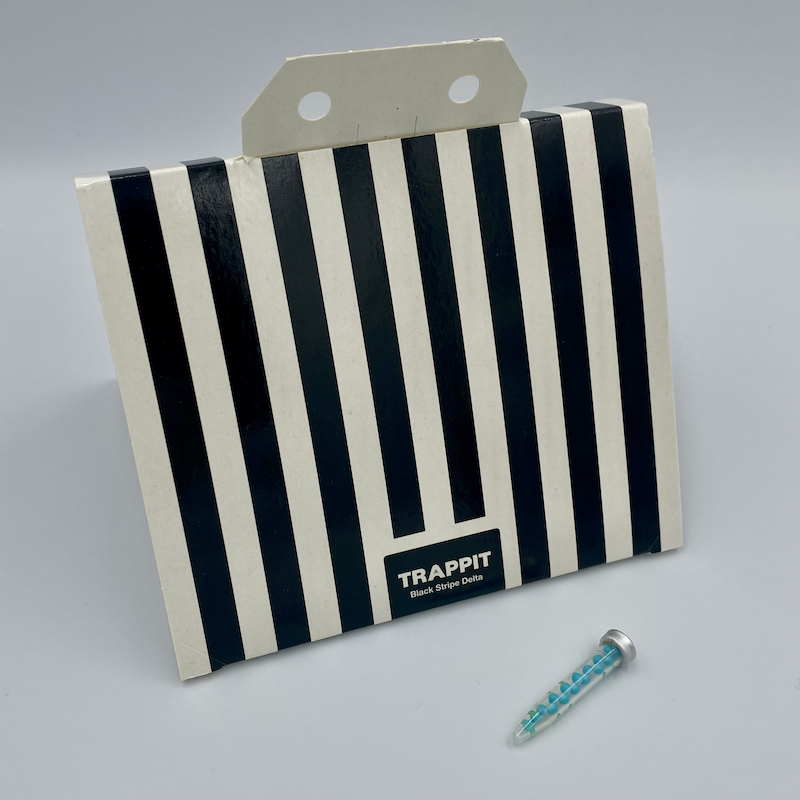
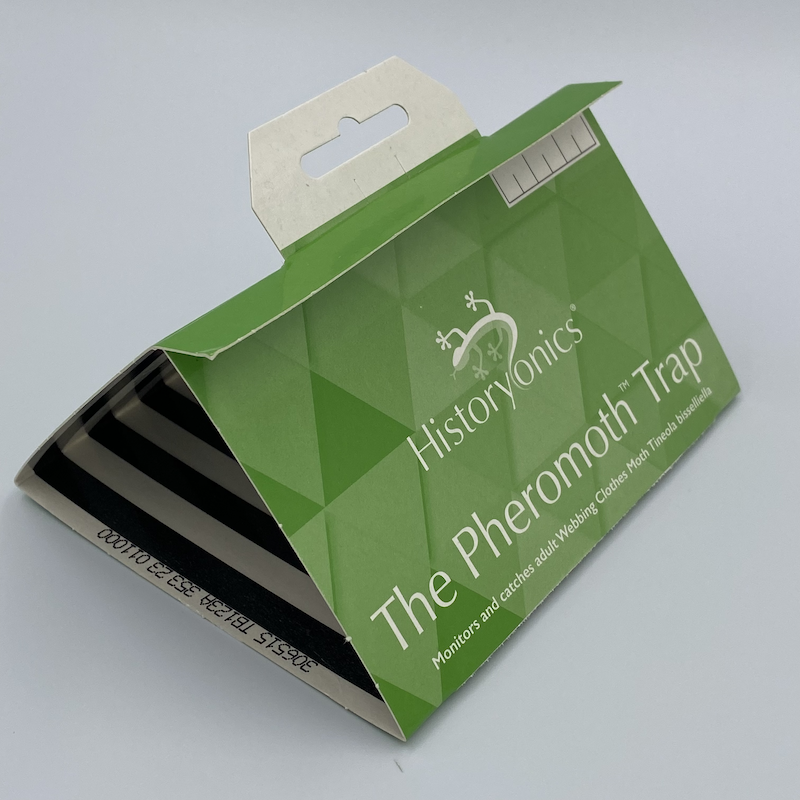
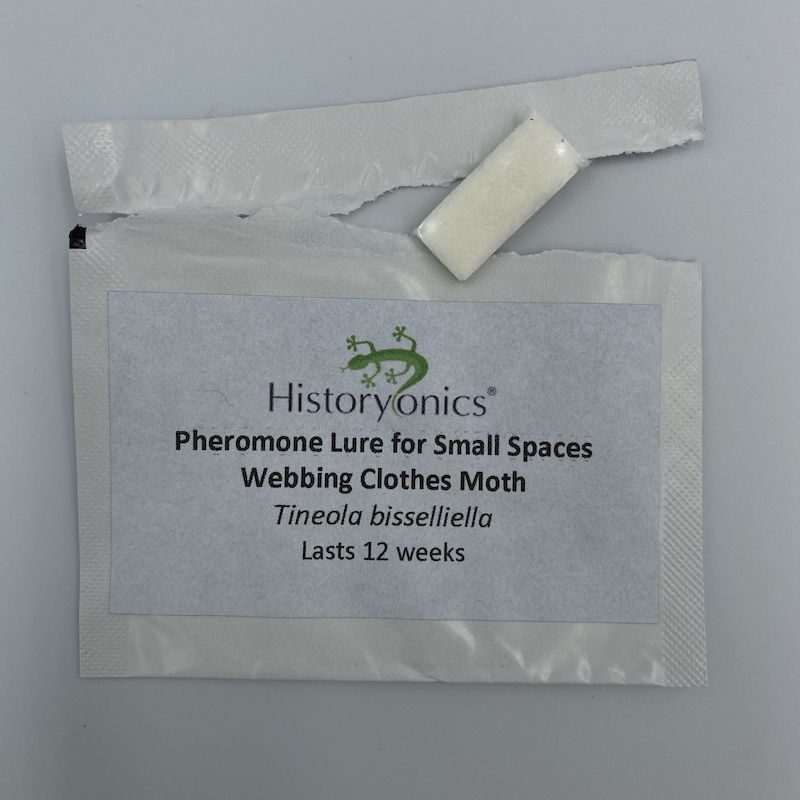
Adult male moths are attracted to a synthetic version of the female moth’s natural sex pheromone. The pheromone draws the males towards a sticky monitoring trap, where they become trapped.
This makes pheromone traps highly targeted: the lure is designed for a particular moth species, allowing you to determine not only whether moths are present, but potentially which species is responsible.
Importantly, the traps primarily target adult male moths. They should therefore be regarded principally as a monitoring and detection tool rather than a complete solution to an infestation.
Why use moth traps?
Regular monitoring can help you:
- Detect an infestation at an early stage
- Identify areas of moth activity
- Determine which moth species are present
- Monitor whether an existing treatment programme is working
- Assess changes in moth activity over time
- Protect vulnerable collections and materials
Pheromone traps can be considerably more effective at attracting male clothes moths than unbaited sticky traps.
Under suitable conditions, they may catch substantially more moths, making them particularly valuable for early detection.

Which moths can be monitored?
Different pheromone lures target different species, so correct identification is important.
Common examples include:
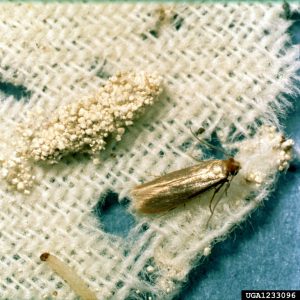
Webbing Clothes Moth – Tineola bisselliella
The most common clothes moth found in the UK. These moths are relatively poor fliers and tend to remain close to the floor, carpets, wardrobes and other sheltered areas.
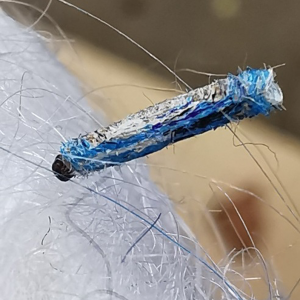
Case-bearing Clothes Moth – Tinea pellionella
A stronger-flying clothes moth that can require traps to be positioned at different heights to improve the chances of detection.
Other specialist pheromone lures are available for carpet beetles and other collection pests, but the lure needs to be appropriate for the species being monitored
Traps and lures: what’s the difference?
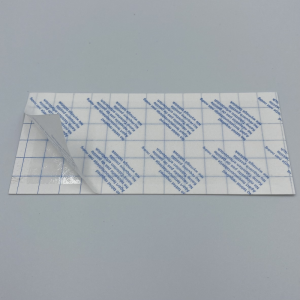
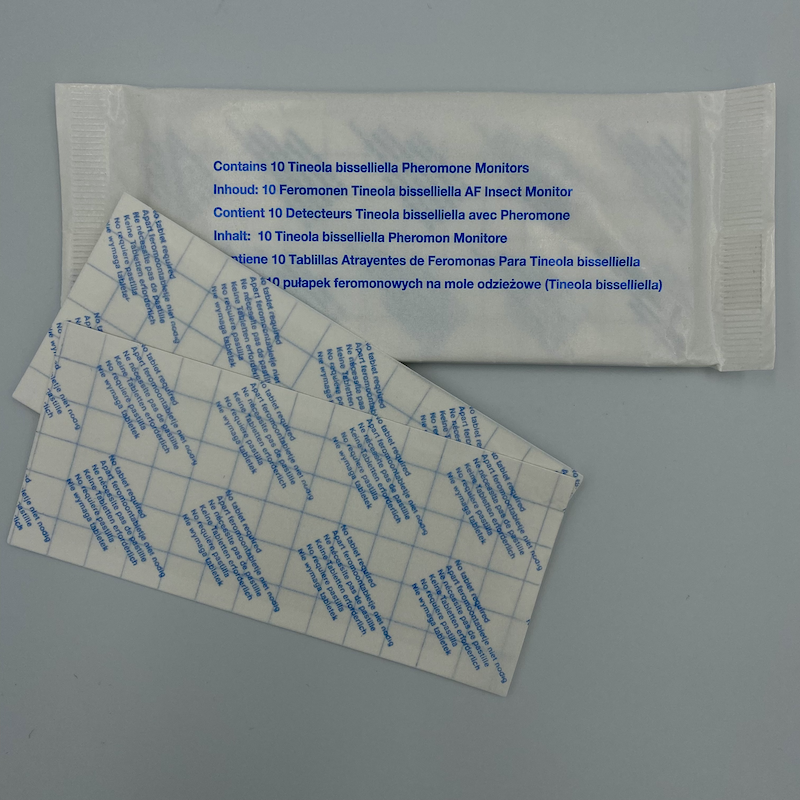
A trap provides the sticky surface that captures the insect.
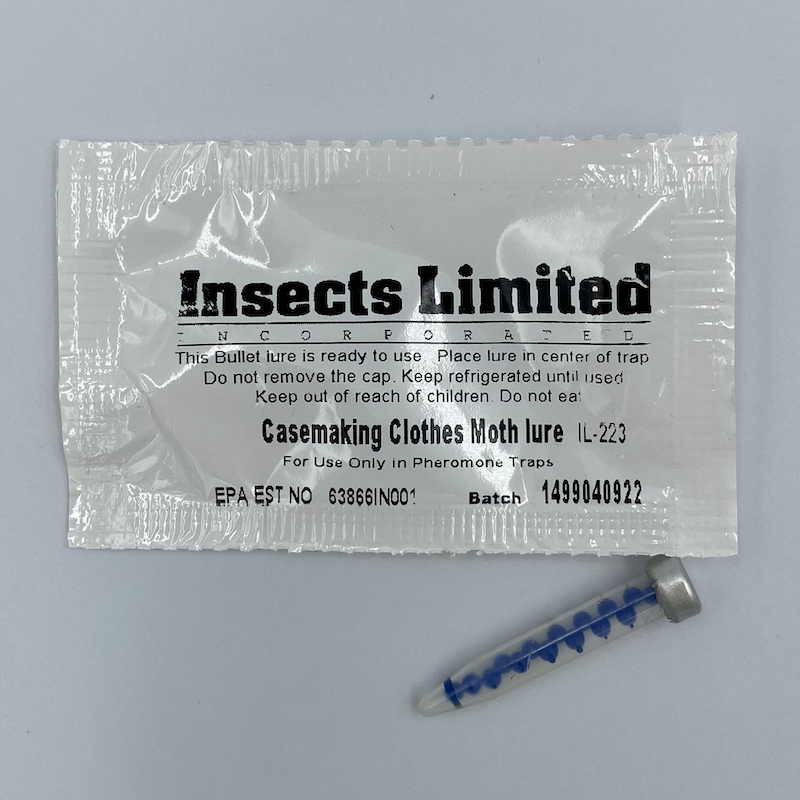
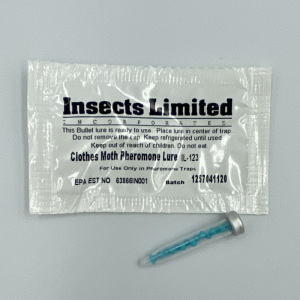
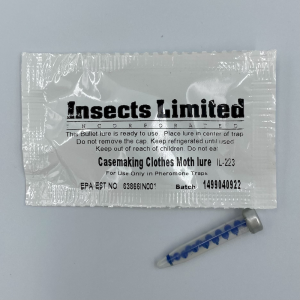
A pheromone lure provides the chemical attractant that draws the target insect towards the trap.
Some traps are supplied ready-baited with an integrated pheromone, while others allow a separate lure to be added to a standard sticky monitoring trap.
This gives you flexibility to select the appropriate trap and species-specific lure for the pest you are trying to monitor.
Monitoring is the first step
Finding moths in a trap doesn’t necessarily mean that the trap itself has solved the infestation. The larvae are responsible for most of the damaging feeding activity, while adult moths are primarily responsible for reproduction.
For this reason, traps work best as part of a wider Integrated Pest Management (IPM) programme, alongside inspection, cleaning, environmental management and appropriate treatment where necessary.
By monitoring moth populations regularly, it is possible to identify problems earlier, target treatment more effectively and measure whether pest numbers are increasing or declining.
Recommended Products